If you only glance at cabinet industry headlines, the story can look scattered. One post talks about cell phones on the shop floor. Another covers hearing protection. Then you see declining sales figures, a standards update, trade policy advocacy, and a design award announcement. It feels like a pile of unrelated updates.
It is not unrelated.
Taken together, these stories paint a pretty clear picture of where cabinet manufacturing is right now. Safety is under constant review. Sales pressure is real. Standards still matter, maybe more when the market gets tight. And the industry is trying to balance shop-floor realities with consumer expectations around quality, style, and trust.
That matters whether you work in manufacturing, specify cabinetry for projects, or are simply planning a home renovation and wondering why a kitchen cabinet is not just a box with doors.
The strongest pattern in the 2026 news digest is not design. It is safety.
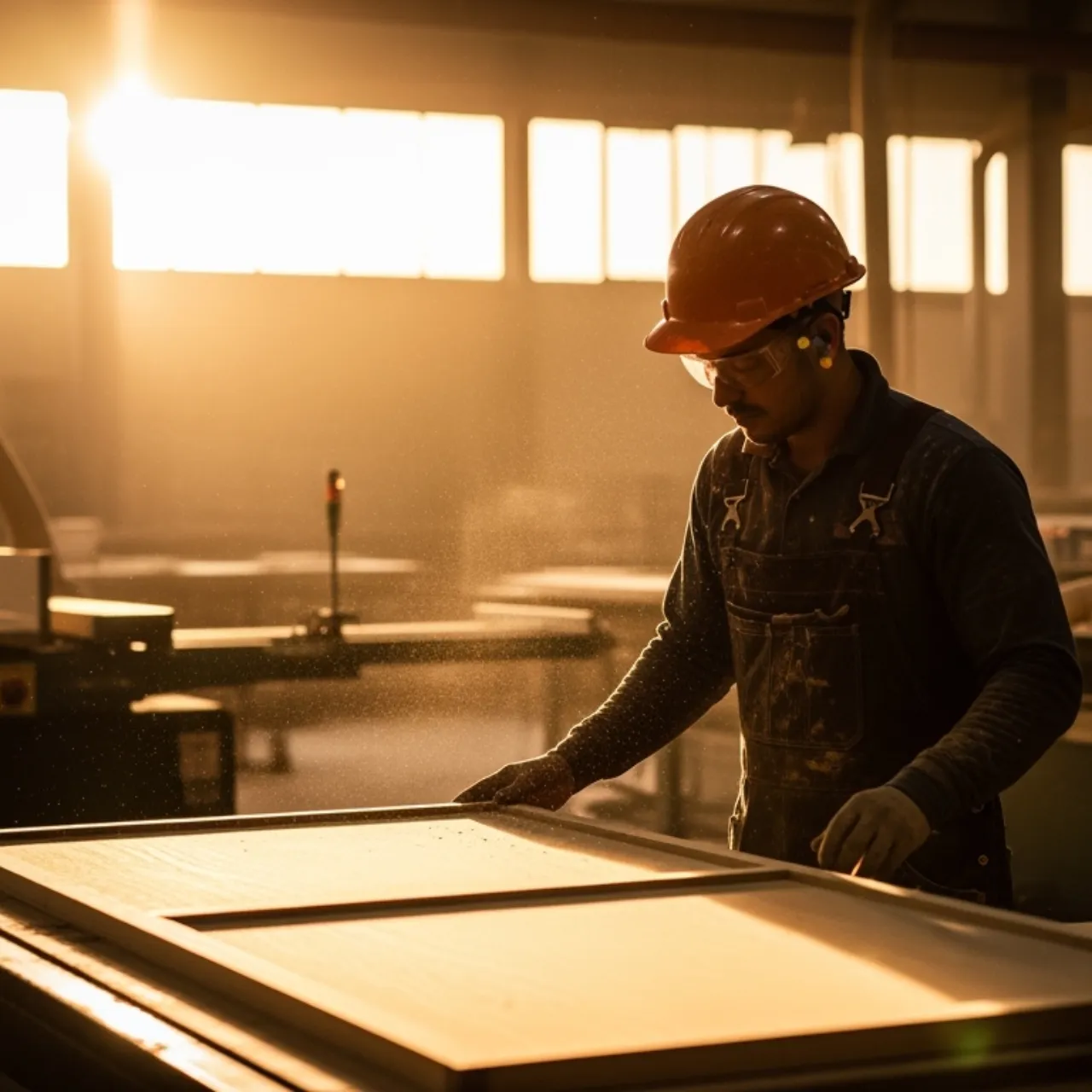
That makes sense. Cabinet manufacturing sounds straightforward from the outside, but the actual work environment can be noisy, fast-moving, and full of pinch points, blades, dust, lift equipment, and repetitive tasks. Even something as ordinary as reaching for a phone can become risky if a worker is near moving machinery.
The recent safety topics are telling because they are so specific. They are not vague reminders to “be careful.” They focus on the real ways people get hurt or distracted at work.
The discussion around cell phone use in manufacturing is more complicated than people sometimes admit. Phones are useful. They can deliver instructions, alerts, schedules, maintenance notes, and emergency communication. In some settings, that utility is hard to ignore.
But there is another side to it, and it is the obvious one. A distracted worker near cutting, sanding, lifting, or automated equipment is at greater risk. Even a glance at a screen can break situational awareness. In an office, that might mean a typo. In a plant, it might mean a crushed finger or a missed warning signal.
I think this is one of those issues where people want a simple rule, but the shop floor rarely gives you one. A total ban may be unrealistic. Unlimited use is clearly a bad idea. The real work is in setting clear boundaries about when phones are allowed, when they are required, and when they need to stay put.
The hand safety message is blunt and necessary: your hands are irreplaceable.
Cabinet manufacturing involves materials, edges, clamps, presses, fasteners, carts, stacks of panels, and tools that can injure hands in an instant. The digest points to splinters, pinch points, and crush hazards, which may sound minor when listed out, but they are not minor to the person who gets hurt.
What stands out is the emphasis on culture. Protective gloves, machine guarding, and safe procedures matter. So does the day-to-day tone of a workplace. If people rush, skip steps, or treat near misses like nothing, hand injuries become more likely. If the culture rewards speaking up and stopping unsafe work, the whole place gets safer.
That lesson applies beyond factories. During kitchen remodeling or bathroom renovation work on site, trades handle panels, hardware, stone samples, trim, and installation tools all day. Hand safety is not only a plant issue.
One of the more honest topics in the digest is hearing protection gaps. Noise exposure is common in manufacturing, yet hearing conservation is often treated like a solved problem. It is not.
The challenge is not simply getting workers to wear protection. The deeper problem is that they still need to hear warnings, equipment signals, coworkers, and instructions. If hearing protection cuts too much sound without a good communication plan, the fix creates another hazard.
That tradeoff is real. You want people protected from damaging noise, but you also need them to stay aware. A multi-company roundtable on this issue suggests that many manufacturers are still working through the same questions. That usually means there is no perfect standard practice yet, only better and worse ways to manage the risk.
Falls remain one of the leading causes of serious workplace injury and death, and that fact never becomes less uncomfortable. People get used to familiar tasks. They step onto a platform, reach too far, climb where they should not, or move quickly around cluttered areas. The routine nature of the work is part of the danger.
In cabinet plants and warehouses, fall risks can come from ladders, mezzanines, loading areas, or simple housekeeping failures. On installation sites, the risks can be even more varied because the environment changes from project to project.
That matters in projects people tend to associate with clean finished interiors, like a custom kitchen cabinet installation or new closet and storage solutions. Long before the finished cabinetry looks polished, somebody had to move, lift, reach, and secure those components safely.
One of the more sobering updates in the digest covers active shooter preparedness in cabinet manufacturing facilities. Nobody likes reading about this. I do not like writing about it. But avoiding the topic does nothing for worker safety.
Manufacturing sites have specific challenges that make emergency response harder. Open floor plans can leave fewer obvious hiding places. Heavy equipment can block movement. Ambient noise can prevent people from hearing warnings. Workers may be spread across production lines, loading zones, warehouses, offices, and break areas.
Those details matter because emergency planning cannot be generic. A plan written for an office tower does not automatically fit a cabinet plant. Training needs to account for how people actually move through the facility, what they can hear, where they can shelter, and how information is shared when noise and distance get in the way.
This is one of those moments where realism beats comfort. Preparedness is not panic. It is planning for a bad situation before adrenaline makes clear thinking harder.
The business side of the digest is straightforward, and the numbers are not cheerful.
Reported cabinet sales were down 0.7 percent in December 2025 compared with December 2024. Then the declines deepened in early 2026:
January 2026, down 11.7 percent year over year
February 2026, down 9.1 percent
March 2026, down 7.7 percent
April 2026, down 3.5 percent
There is one small comfort in that sequence. The decline appears to be moderating by April, even though sales are still down. That is not a rebound, but it may suggest conditions were becoming a little less severe than they were at the start of the year.
For anyone in home renovation, these numbers are worth watching. When cabinet sales soften, the effects can show up in different ways. Some manufacturers tighten spending. Some invest more heavily in efficiency. Some lean harder on differentiation through certification, product consistency, service, or design. Some may shift focus toward segments like kitchen remodeling, bathroom renovation, or closet and storage solutions if demand patterns change.
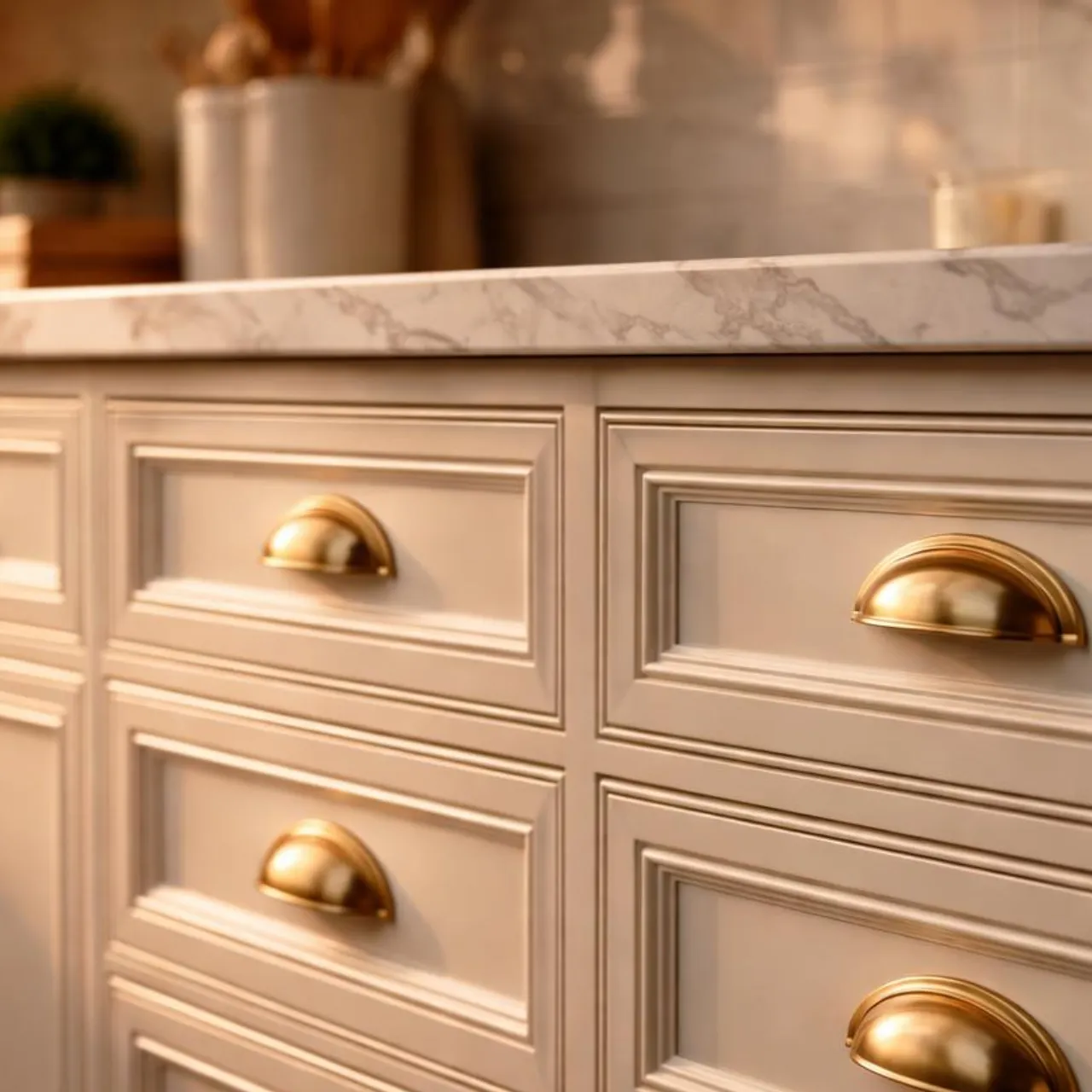
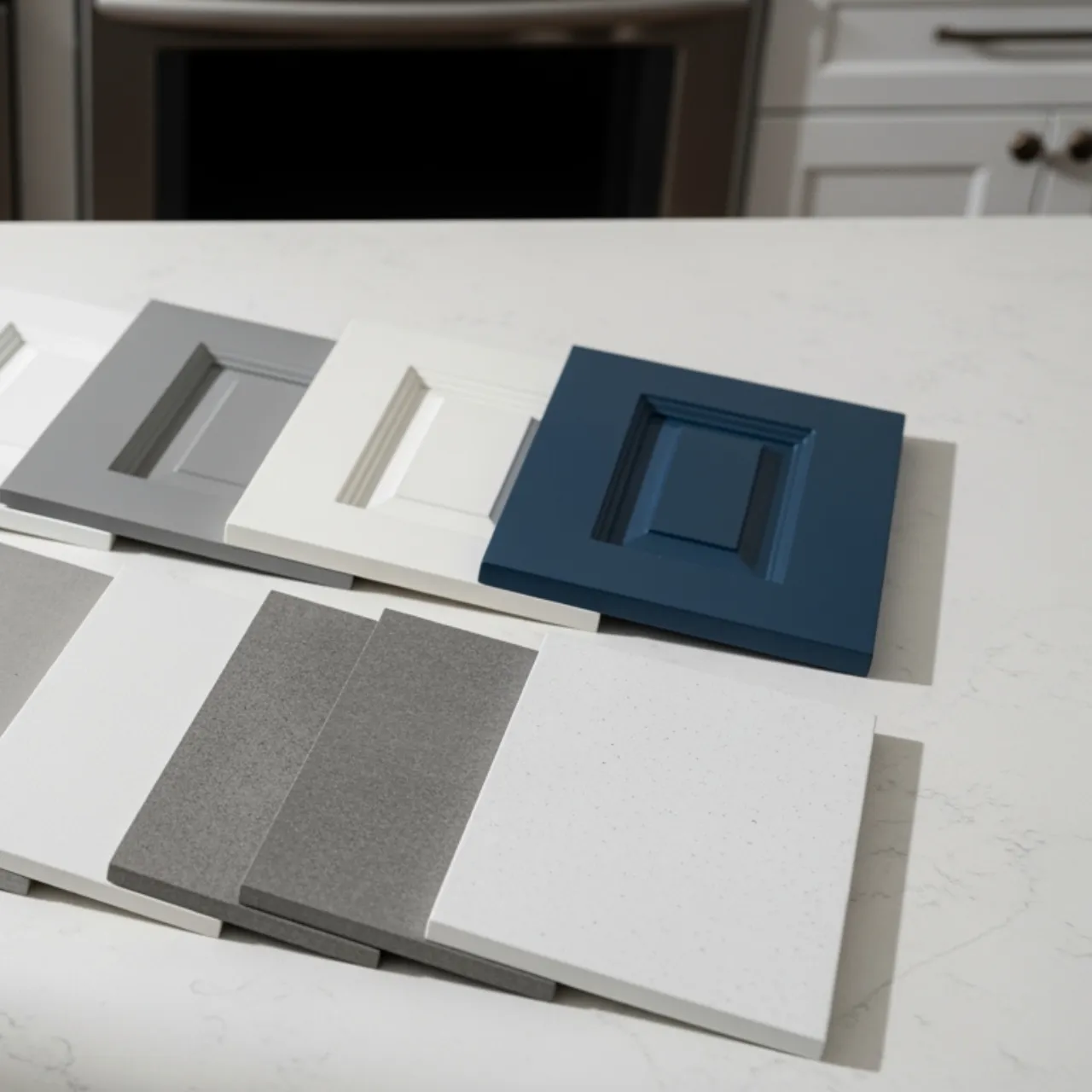
Homeowners often see only the visible outcome, the door style, the paint color, the vanity size, the quartz countertop choice, the marble look they want in a bath. But the market behind those decisions affects lead times, product availability, staffing, and how aggressively companies manage costs.
And that is where quality discipline gets tested. A weak market can tempt businesses to cut corners. The better response is tighter process control.
This part of the digest may seem less exciting than design or sales, but I would argue it is one of the most important sections.
The reaffirmation of ANSI/KCMA A161.1 is a reminder that product standards are not static decorations. They require review, transparency, and public notice. When a standard is reaffirmed, the industry is effectively saying that the benchmark still has value and still reflects what should be expected.
For consumers, that may sound distant and technical. It should not. In practical terms, standards give you a better basis for comparing cabinetry that may look similar in a showroom or online. Two kitchen cabinet lines can appear nearly identical in finish photos, yet differ in durability, construction, and performance.
That matters in everyday use. Doors slam. Drawers get overloaded. Moisture finds weak spots. Bathroom renovation projects are especially unforgiving because humidity exposes weaknesses fast. If a vanity or cabinet box is poorly built, the room will tell on it.
The new global standard for Thermally Fused Laminate panels is another important signal. TFL may not get the glamour that people reserve for marble, quartz, or high-end hardware, but it is widely used and worth understanding.
When a material category gets a shared benchmark for quality and consistency, manufacturers have a clearer target and buyers have a better reference point. That does not magically solve every quality issue, but it reduces ambiguity. And ambiguity is where disappointment often lives.
In real projects, materials are not judged only by how they look on day one. They are judged by consistency across panels, resistance to wear, color stability, cleanability, and how well they hold up under normal life. Anyone who has dealt with mismatched finishes or inconsistent surfaces knows how frustrating that can be.
This is especially relevant when consumers want affordable quality. That phrase gets thrown around a lot, sometimes too loosely. Affordable quality is not about pretending every material is the same. It is about knowing what a material is, how it performs, and whether it meets a recognized standard.
The digest also points to advocacy work around trade policy and workplace regulation, including support for the PAIL Act and engagement with the National Emphasis Program on outdoor and indoor heat-related hazards.
This side of the industry often gets ignored because it is not visual. It does not photograph well. No one hangs a trade policy letter on their inspiration board next to white oak cabinetry and marble samples.
Still, advocacy shapes business conditions in very real ways.
Trade policy can affect imported materials, competitive pressure, sourcing choices, and pricing. Heat hazard rules matter because manufacturing and installation work can happen in hot facilities, warehouses, and field conditions. If guidance is poorly written for the realities of a workplace, compliance becomes confusing and safety outcomes can suffer.
So while these updates may sound procedural, they are tied to labor conditions, operating costs, and how companies manage risk. In the long run, that influences the reliability of the supply base that serves kitchen remodeling and other cabinetry-heavy projects.
It is interesting that design awards and certification outreach sit alongside safety and sales declines in the same stream of industry news. Some people might see those as separate conversations. I do not.
A slower market often sharpens attention on proof. Proof of quality. Proof of compliance. Proof that a company can actually deliver what its photos promise.
Design awards speak to creativity and execution. They track what people value visually in kitchens and related spaces. That can influence tastes across luxury design and more restrained budgets alike. You may see those effects later in door profiles, finish trends, integrated storage, mixed materials, or the way a countertop and cabinetry palette are paired.
Certification outreach matters for a different reason. It helps translate technical quality signals into something consumers can recognize. That is useful, because most homeowners do not shop for cabinetry the way industry insiders do. They are juggling layout questions, price, finish choices, appliance fit, maybe a quartz island, maybe a new vanity, maybe a full custom kitchen cabinet package. They need ways to separate appearance from actual performance.
And honestly, that is not easy. Beautiful photos can hide mediocre construction.
If you work in the industry, the lesson is fairly direct. Safety is not one topic. It is a stack of small decisions that interact with equipment, training, culture, communication, and emergency planning. Standards are not paperwork. They are a defense against inconsistency, especially when markets tighten. And sales pressure does not excuse sloppy execution.
If you are a homeowner, designer, or builder planning work that involves cabinetry, a few points are worth keeping in mind.
First, quality is built long before installation day. It starts with material standards, manufacturing discipline, and safe production practices.
Second, pricing and value are not the same thing. A lower quote may reflect efficiency, or it may reflect thinner controls, weaker materials, or less consistent construction. Sometimes you cannot tell from appearance alone.
Third, product performance matters in every room, not only the showcase kitchen. Bathroom renovation work, utility rooms, mudrooms, and closet and storage solutions all put stress on cabinetry in different ways.
Finally, the cabinet industry is dealing with both operational pressure and customer expectation at the same time. People still want beautiful spaces. They still want thoughtful storage, durable finishes, and clean pairings with countertop materials like quartz. They still want the polished feel associated with luxury design, even when budgets demand affordable quality. None of that changes the basics. Safety, standards, and consistency are what make the finished result dependable.
That may be the least glamorous truth in the whole digest. It is also the one that matters most.