If you read enough industry news, the headlines can feel random. A cabinet surface trend report sits next to an OSHA update. A flood-rebuilding case study appears beside a distribution center announcement. Then there is a story about a $150 million asset deal, and somewhere in the middle, a company renovates a facility in eight weeks.
But taken together, these stories tell a pretty clear story about where architectural wood products are headed in 2026.
A few themes keep coming up. Surface design matters more than ever. Manufacturing capacity is being expanded, moved, or tightened. Safety rules are getting more attention. Housing costs are still squeezing demand. And when communities rebuild after disaster, millwork and cabinetry stop being abstract product categories and become part of daily recovery.
That matters whether you work in architectural woodwork, specify materials, sell through distribution, or simply care about what shapes a Home Renovation project. It also matters if your world is more residential: a Custom Kitchen Cabinet project, a Bathroom Renovation, new Closet and Storage Solutions, or a full Kitchen Remodeling plan with a new Countertop in Quartz or Marble.
Here is the bigger picture behind the headlines.
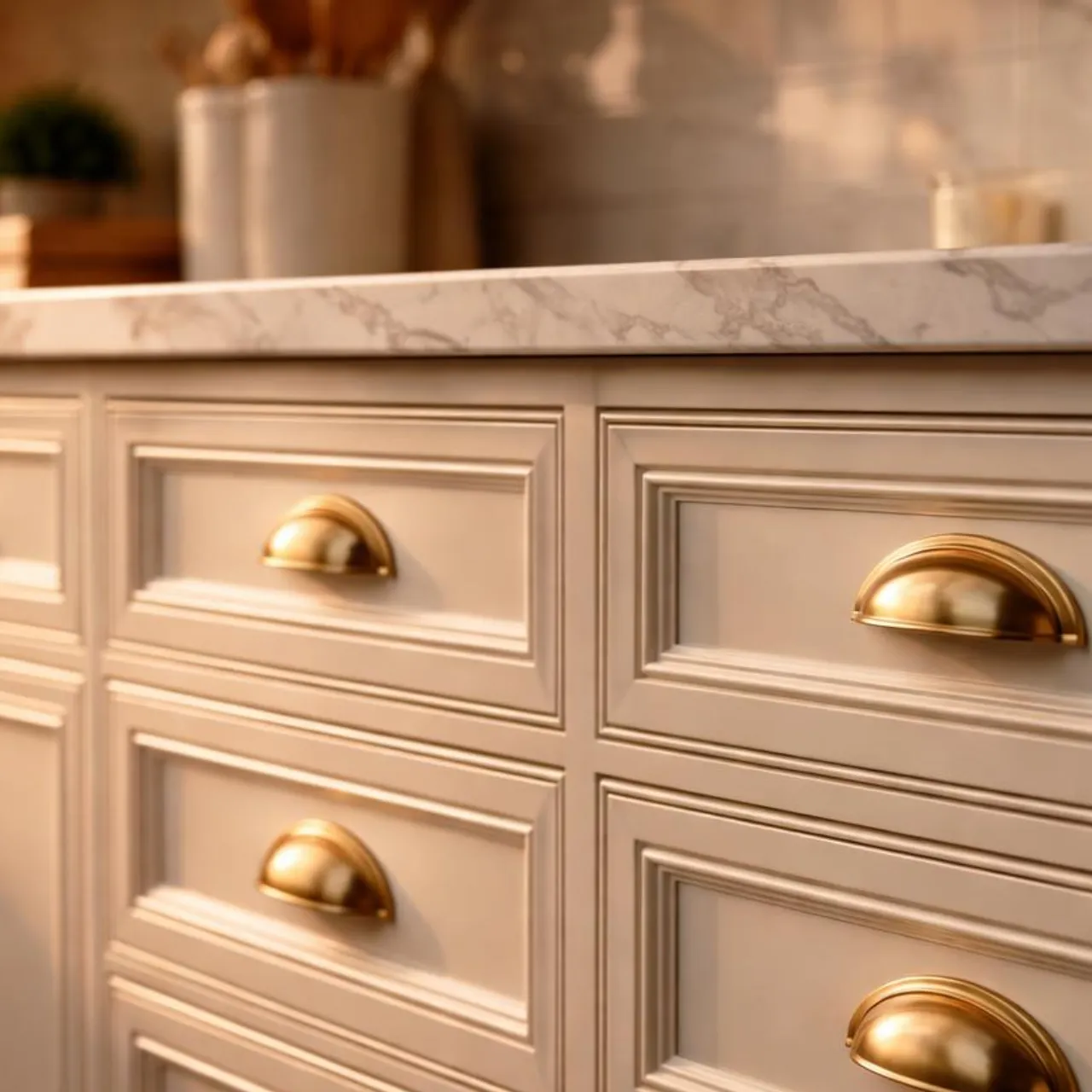
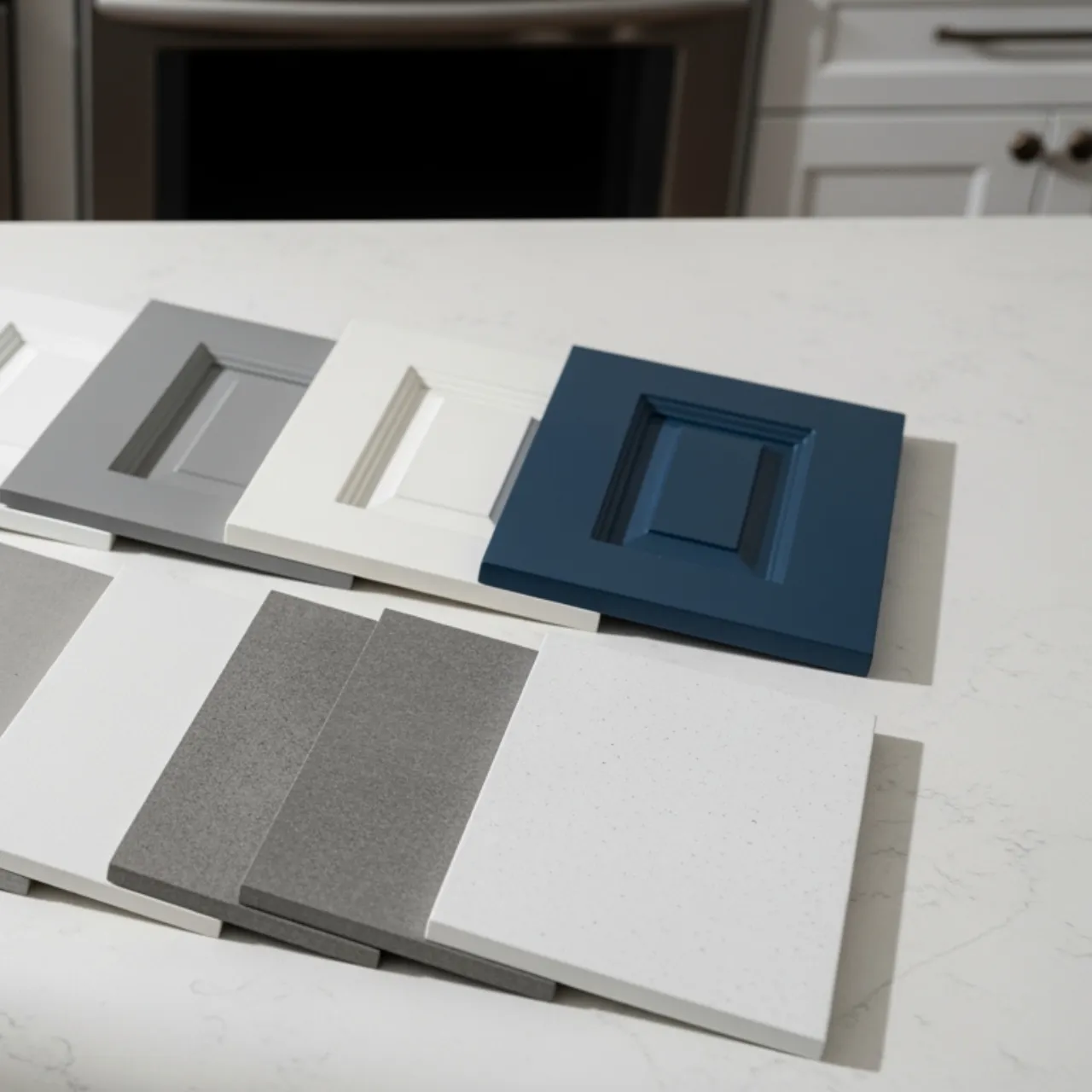
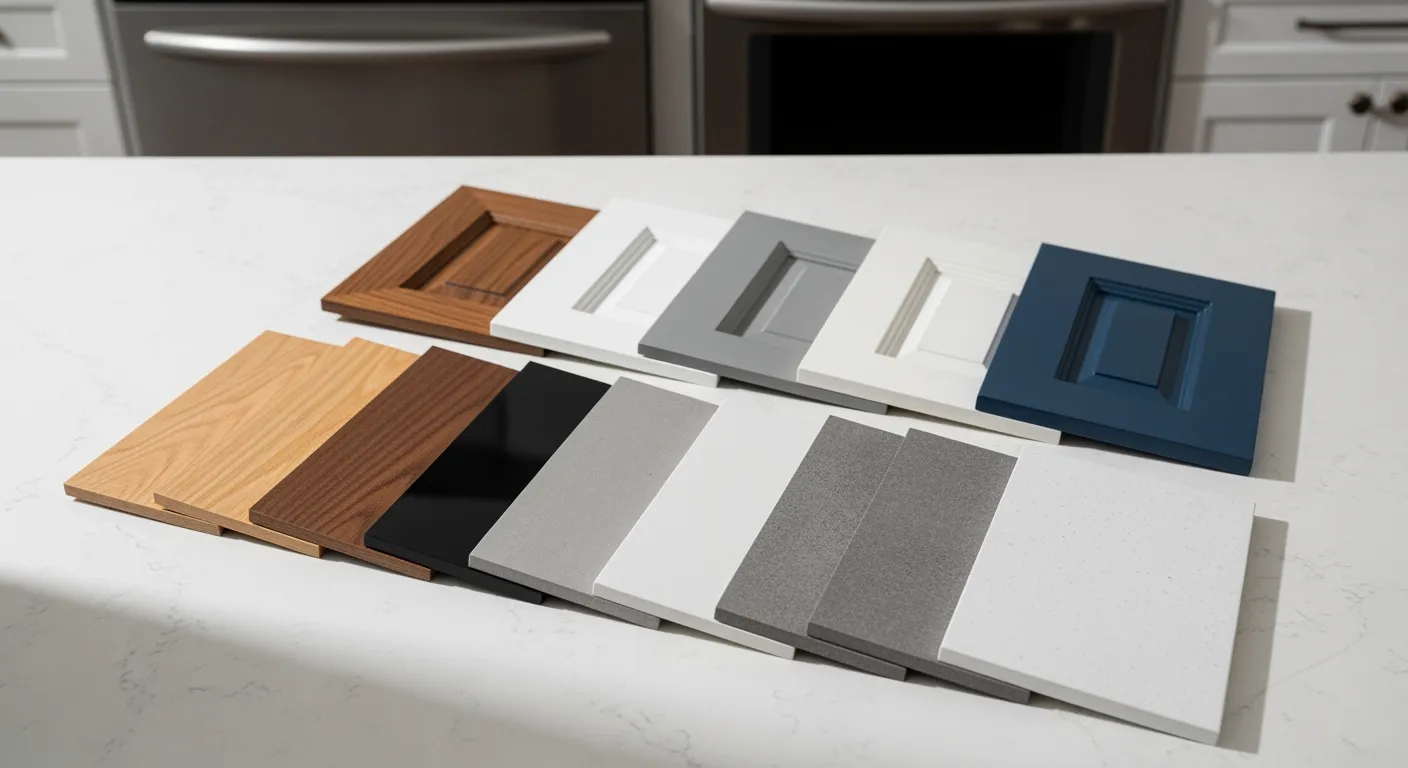
One of the most useful signals in the digest was the feature on cabinet panel surfaces. It pointed to five surface types influencing modern cabinet design, with texture and shine doing much of the work.
That rings true. People do not experience cabinetry as a specification sheet first. They experience it with their hands and eyes. A door panel can be technically sound and still feel wrong in a room if the sheen is off or the texture feels flat. That is especially obvious in kitchens and bathrooms, where light hits every angle and fingerprints reveal themselves fast.
For years, cabinet conversations often started with color. White. Walnut. Black. Painted green. Now the conversation is more layered. How matte is matte? Does the finish absorb light or bounce it back? Does the woodgrain feel convincing at close range? Does the panel work next to a polished Quartz Countertop, a honed Marble surface, or a painted Vanity?
That shift changes how people think about Luxury Design. It is not always about ornate detail or exotic material. Sometimes it is a dead-flat finish that feels calm and expensive. Sometimes it is a textured panel that gives a plain slab Kitchen Cabinet enough depth to keep the room from looking sterile.
There is also a practical side to this trend. Texture and gloss level affect maintenance. A high-shine finish can make a small kitchen feel brighter, but it may also show smudges more readily. A deeply textured surface can hide wear, though it may collect dust in certain applications. In a Bathroom Renovation, that matters around the Vanity. In a kitchen, it matters around islands, trash pullouts, and any cabinet door touched twenty times a day.
I think this is where the market has become more honest. People want cabinetry that looks refined, but they also want it to survive actual living. Children, steam, cooking grease, wet hands, dog bowls, clutter. Real houses are messy. Good surface selection accounts for that.
The case study about rebuilding after the 2016 flooding in Denham Springs, Louisiana, did something many industry stories do not. It pulled wood products out of the showroom and put them back into real life.
After a catastrophic flood, rebuilding is not a style exercise. It is a long, tiring process of making homes and buildings usable again. In that context, millwork companies are not just vendors. They are part of the recovery chain.
That matters because it reframes what people mean when they talk about quality. In a showroom, quality can sound cosmetic. In a rebuild, quality means a cabinet box that stays square, doors that hold up, trim that installs cleanly, and production teams that can respond when demand spikes under difficult conditions.
There is a lesson here for anyone involved in Home Renovation work. Resilience should not be treated as a niche concern reserved for coastal or flood-prone areas. Weather risk is now part of ordinary planning in many places. Material choice, finish choice, and installation details all matter more when homeowners may face heat, humidity, or water events that did not feel normal ten years ago.
For cabinetry, that can influence panel selection, substrate decisions, edge detailing, site storage, and replacement planning. For Closet and Storage Solutions, it can affect whether a design works well in a conditioned bedroom suite but less well in a garage-adjacent mudroom. Even for a Bathroom Renovation, moisture exposure around a Vanity is a small version of the same question: how does this assembly behave when real conditions are less than ideal?
The rebuilding story also makes another point that deserves more attention. Local and regional manufacturing still matters. When a community is trying to recover, nearby capacity can make a huge difference.
Another headline worth sitting with was the reported 9 percent year-over-year sales increase in the retail fixtures and architectural millwork segments.
That is a solid number. It suggests there is still demand for built environments that need custom woodwork, display systems, and interior finish work, even while the broader housing market remains under pressure. And that pressure is real. One of the recent articles referenced high costs and slumping demand, with affordable units in short supply.
Those two things can exist at once. Demand can be uneven, and some segments can still grow.
In practical terms, this means the market is not moving as one block. Big-ticket housing may slow in some areas, but tenant improvements, selective remodels, retail updates, institutional projects, and targeted residential upgrades can keep millwork shops busy. A homeowner may postpone an addition but still move ahead with Kitchen Remodeling. A builder may simplify finishes in one product line but spend more on storage in another. People still pay for utility, especially when square footage is tight.
That is one reason Closet and Storage Solutions keep holding attention. When homes feel expensive, better use of existing space gets easier to justify. Built-ins, pantry systems, laundry storage, and organized bedroom closets can feel more sensible than moving.
The phrase Affordable Quality matters here too, though I do not love how often it gets used without precision. In 2026, it should mean making smarter trade-offs, not pretending every product can do everything. It may mean spending more on Cabinetry that gets touched daily and saving money on less visible components. It may mean pairing a premium Countertop with a simpler door style. It may mean using fewer finishes in a project so the overall result feels calm instead of pieced together.
The OSHA update to its National Emphasis Program on heat hazards might sound like a side note if you only care about finished products. It is not.
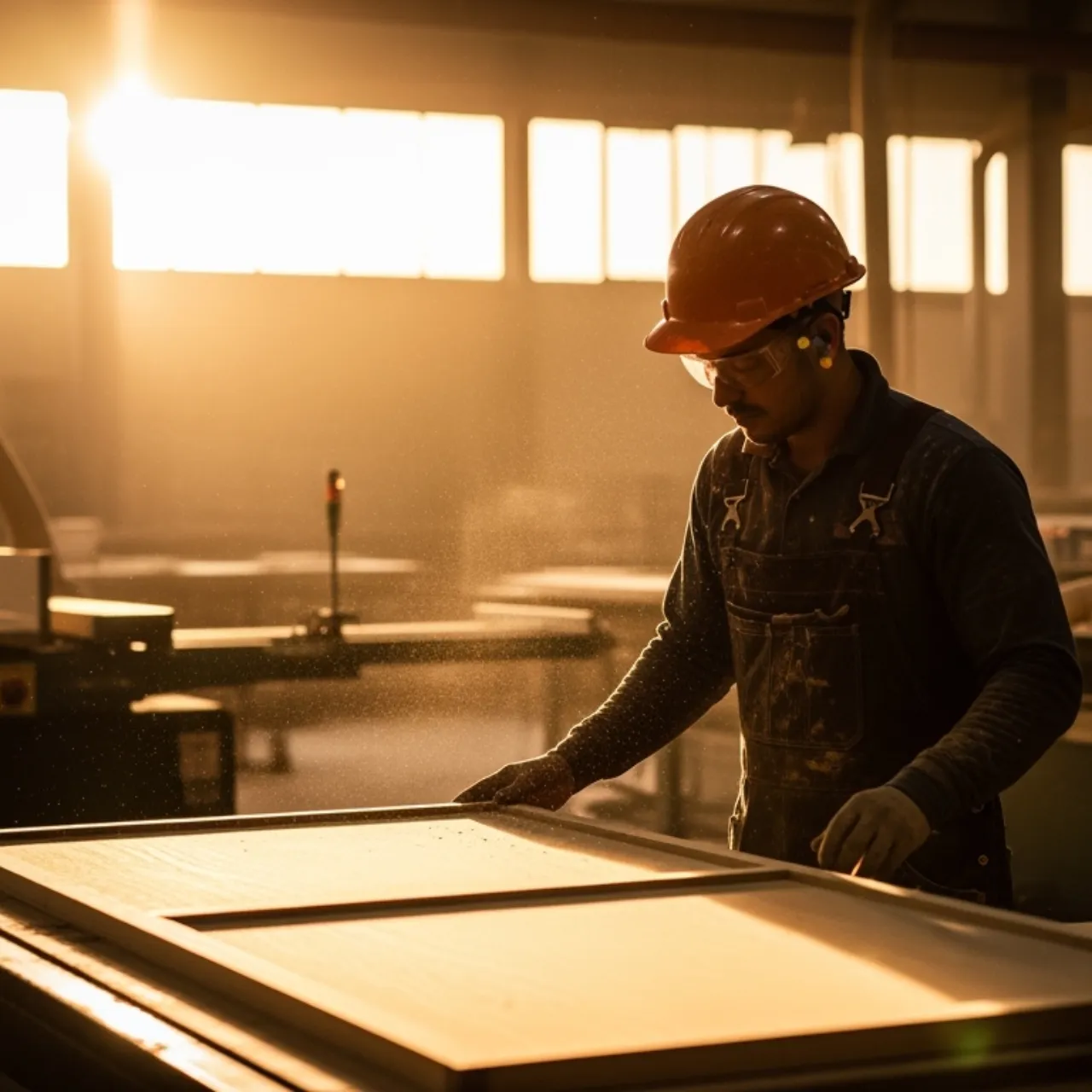
The program now targets 55 high-risk industries, including sawmills and furniture-related product manufacturing. That matters because wood product manufacturing is often hot, physically demanding work done around equipment, dust collection systems, warehouses, and loading areas that can get brutal in summer.
There is a human reason to care first. Heat illness is serious, and prevention is basic responsibility. Water, rest, shade, training, acclimatization, and scheduling are not extras.
There is also an operational reason. When safety enforcement becomes more active, companies have to tighten procedures, monitor conditions, and sometimes adjust production practices. That is a good thing, but it can affect throughput, staffing, overtime, and shipment timing.
For buyers and specifiers, this is a reminder that lead times do not exist in a vacuum. A polished schedule on paper depends on people safely doing difficult work in real facilities. The wood products world has always had physical risk. Heat is getting more attention because it needs to.
I find that healthy. When an industry stops treating worker strain as background noise, the products that reach the market are usually better managed too.
Several short items in the digest pointed to something less glamorous than design but often more decisive: capacity.
ProWood expanded distribution of its TrueFrame Joist from Colorado into Great Lakes and Midwest states. A specialty building products company chose Gallatin, Tennessee, for its 22nd distribution center, its first in Tennessee, to better serve dealer customers in the Southeast. A millwork company completed a facility renovation in Attleboro, Massachusetts, in just eight weeks. A timber fabricator in Nelson, British Columbia, announced a $60 million investment in a new facility with a specialized glulam line and advanced CNC machining.
These are not identical stories, but they point the same way. Companies are trying to put products closer to demand, speed up fulfillment, and increase manufacturing precision.
That matters across the chain. If you are in commercial work, it can change bidding confidence and freight assumptions. If you are in residential renovation, it can affect whether a product line is realistically available in your region or whether every replacement part becomes a waiting game.
It also affects design ambition. Advanced CNC capacity and specialized production lines widen what can be produced consistently. That has implications for architectural millwork, but it eventually filters into residential Cabinetry too. Precision machining improves fit. More stable production improves repeatability. And repeatability matters a lot when a Kitchen Cabinet run has to coordinate with appliance tolerances, filler dimensions, and a stone Countertop template.
The Attleboro renovation story is a good reminder that facility improvements do not always take years. Sometimes the industry moves fast when it has to. Eight weeks is not leisurely. It suggests urgency, planning, and the pressure to get usable space online quickly.
The Letter of Intent involving Bed Bath & Beyond and F9 Brands, valued at $150 million, is the kind of business news people skim unless they follow ownership structures closely. But these deals matter.
When major asset groups change hands, distribution channels can shift. Product mixes can shift. Branding can shift. Priorities around pricing, expansion, or store strategy can shift. And if the assets include companies connected to cabinetry, flooring, or building products, the effects can travel farther than the headline suggests.
The same goes for design-focused partnerships, like the renewed ambassador relationship involving a building-products brand and well-known custom home designers. These arrangements can feel superficial, and sometimes they are. But they also influence what styles get attention, which materials are normalized on screen, and what consumers ask for later.
A lot of residential demand is shaped this way. Someone sees a paneled kitchen, a sculptural Vanity, or a mixed-material mudroom on television or online, and six months later that look shows up in actual Kitchen Remodeling conversations. Media does not control the market, but it definitely nudges it.
A few of the shorter items in the digest look minor until you put them beside the larger stories.
Think Lightweight returning to IWF 2026 with a bigger booth and new products suggests continued interest in weight reduction. That matters for installation, shipping, handling, and sometimes hardware performance.
A closets-focused tour at IWF Atlanta points to something many remodelers already know: storage is no longer an afterthought. People care deeply about how things are organized, concealed, and accessed. Closet and Storage Solutions have become central to residential planning, not add-ons.
The Canadian Wood Council appointing a new president and CEO may sound far removed from a renovation conversation, but leadership changes in trade organizations can influence advocacy, code discussion, education, and market messaging.
USDA initiatives to support Montana forests, jobs, and rural communities connect the product side back to the resource side. Wood products do not begin at the factory gate. Forestry policy, rural employment, and supply stewardship matter upstream.
None of these stories solve the same problem. That is the point. This industry is broad, and the news reflects that.
If I had to boil all of this down into practical advice, it would be this:
Choose surfaces as carefully as colors. In kitchens and baths, finish sheen and texture change the room more than many people expect.
Ask where products are coming from. Regional distribution and factory capacity can affect lead times, service, and replacement support.
Treat resilience as part of design. Moisture, heat, and wear are not edge cases. They are normal conditions.
Budget with priorities, not slogans. Spend on the parts of a Kitchen Cabinet or Vanity system that take the most abuse. Save where the compromise is invisible.
Pay attention to storage. In expensive housing markets, well-planned Cabinetry and Closet and Storage Solutions often deliver more daily value than flashy extras.
That last point is worth repeating. When budgets tighten, people often assume design quality has to disappear. I do not think that is true. Good design under pressure usually becomes more selective. A restrained door style paired with a durable Quartz Countertop can feel better than a room full of expensive but mismatched gestures. A calm Bathroom Renovation with a well-built Vanity and sensible storage can outlast trendier work. Luxury Design, at its best, is edited.
What I like about this digest is that it refuses to stay in one lane. Design, safety, logistics, rebuilding, mergers, production investment, events, and housing pressure all show up together because they are connected.
A beautiful cabinet surface still depends on a healthy factory workforce. A promising product line still depends on distribution reaching the right region. A rebuilding effort still depends on local companies having capacity. A Custom Kitchen Cabinet project still sits inside a larger economy shaped by freight, labor, housing demand, and material availability.
That is the real lesson from the news. Cabinets are never just cabinets. Millwork is never just trim and panels. The finished room people admire in a photo has a long backstory.
And in 2026, that backstory is getting more visible.