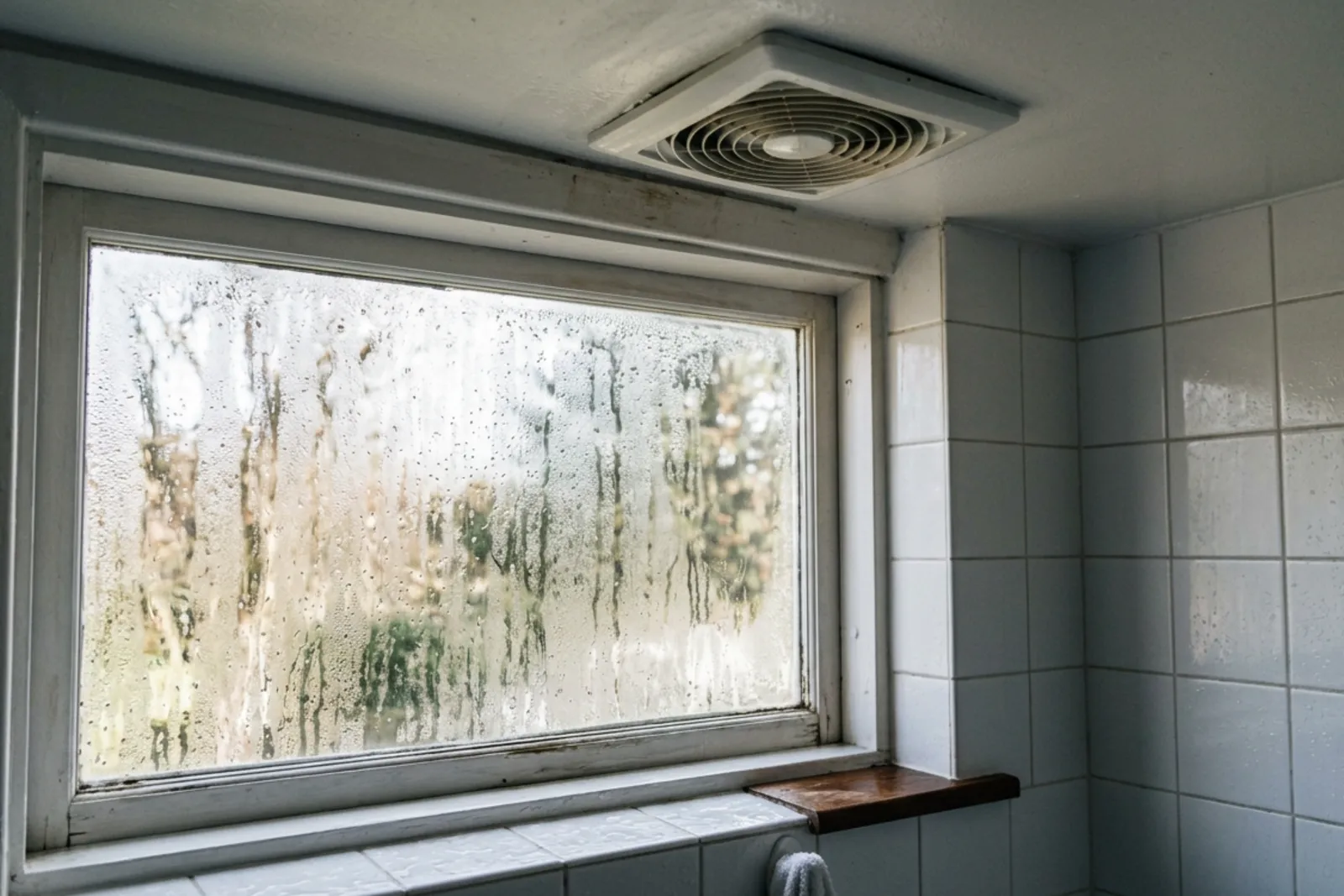
Bathroom Ventilation in Burnaby: What to Plan Before You Renovate
Planning a bathroom renovation in Burnaby? Learn how fans, ductwork, replacement air, and controls prevent lingering moisture. Plan ventilation before you build.
November 23, 2026

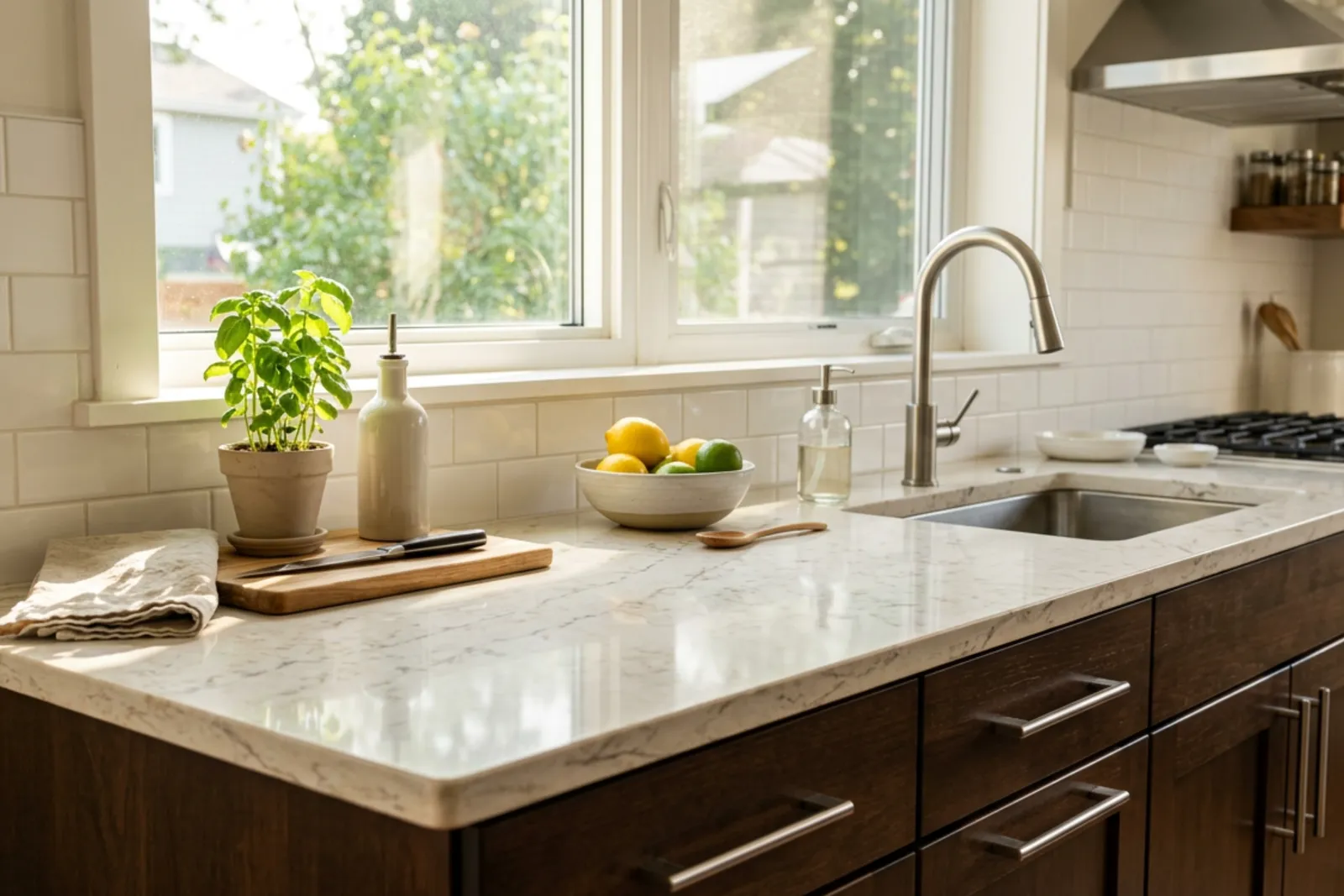
Compare six Burnaby kitchen countertop options, from quartz to wood. Learn how care, cost, cabinetry, and installation affect your choice. Build your shortlist today.
November 25, 2026
A countertop is easy to admire in a showroom and surprisingly easy to regret at home. The white sample may look warmer beside your cabinets. A dramatic vein may land across a seam. A surface described as durable may still need protection from a hot pan.
For a kitchen renovation in Burnaby, the best choice depends on how you cook, what you want to maintain, and how the countertop fits the rest of the project. A compact condo kitchen may benefit from a simple, low-maintenance surface. A detached home with a large island may leave more room for natural stone, distinctive edge details, or mixed materials. Neither setting dictates the answer.
This guide compares six practical countertop options, explains the installation details that affect results, and helps you build a shortlist before committing to a slab.
Before comparing quartz with marble, think about an ordinary week in your kitchen. Do you cook every evening? Does someone regularly spill coffee and leave it until later? Will the island double as a homework station?
These habits matter more than a showroom scratch test.
Your tolerance for visible wear matters, too. Some homeowners enjoy the softened finish of well-used marble or wood. Others want their countertop to look as consistent as possible after years of daily use. There is no wrong preference, but buying one while expecting the other is expensive.
For Burnaby condo renovations, check your strata’s alteration requirements early. Depending on the building and scope, you may need approval, contractor documentation, elevator reservations, and arrangements for protecting common areas. Slab dimensions and delivery access can also influence the design.
In a detached home, access may be simpler, but large islands still require careful planning. An oversized countertop needs a suitable delivery route, adequate cabinet support, and a realistic installation method.
Engineered quartz combines mineral content with binders and pigments. Its nonporous surface generally does not require sealing, which makes it appealing to households that want predictable cleaning routines.
Quartz is available in quiet solid colors, fine patterns, and pronounced marble-like veining. It works especially well when you want the countertop and kitchen cabinet finishes to feel coordinated rather than visually competitive.
Its main limitation is heat. Hot cookware and some countertop appliances can damage the surface or its resin binders. Use trivets and follow the manufacturer’s instructions. Quartz is also not chip-proof, particularly around exposed edges and sink openings.
Choose quartz if you want a broad selection of designs and relatively low maintenance. Before ordering, look at a full slab or a reliable full-slab image. A small sample cannot show how large-scale veining will cross an island or meet at a seam.
Granite is a natural stone, so every slab has its own mineral pattern and color variation. Some varieties are restrained; others have substantial movement.
It generally resists heat and scratching well, but that does not make it indestructible. Trivets remain sensible, edges can chip, and sealing needs depend on the stone and any treatment already applied. Ask the fabricator for care instructions specific to your selection rather than following a universal sealing schedule.
Granite is a useful option when you want natural material without accepting all the surface changes associated with marble. However, its pattern needs careful coordination with flooring, backsplash tile, and cabinetry.
View the actual slabs reserved for your project. Two slabs sold under the same commercial name can look noticeably different.
Large-format porcelain and sintered surfaces are related options, but their composition and manufacturing methods vary. Evaluate the specific product rather than treating every slab as interchangeable.
Many products have low water absorption and strong resistance to heat, staining, and ultraviolet exposure. These qualities can suit hardworking kitchens and spaces with substantial daylight.
The details deserve attention. Some designs are printed mainly on the surface, so the exposed edge may not resemble the top. A mitered edge can create a thicker appearance, but it requires skilled fabrication. Corners and edges may chip under impact.
Ask whether your installer regularly works with the exact material you are considering. Handling methods, support requirements, cutouts, and edge options are product-specific. Even with a heat-resistant surface, follow the manufacturer’s care guidance.
Marble has a depth and variation that many homeowners find difficult to replace with a manufactured pattern. It can look equally comfortable in a traditional kitchen or a restrained contemporary space.
It also reacts to acids. Lemon juice, vinegar, and other acidic ingredients can etch the surface, leaving dull areas. Etching is different from staining, and sealing does not prevent it.
A honed finish may make some etching less noticeable than a polished finish, but it does not eliminate the reaction. Marble can also scratch and chip.
Choose marble because you appreciate the material as it ages, not because you expect it to remain flawless. If every new mark will bother you, a marble-look alternative is likely a better fit. Luxury design should still be comfortable to live with.
Laminate deserves a place on a practical shortlist. Modern options include restrained stone effects, wood looks, and solid colors, often at a lower installed cost than many stone surfaces.
It can make sense when the home renovation budget needs to prioritize cabinet repairs, better lighting, or more useful storage. Spending less on the countertop is not automatically a compromise if the whole kitchen works better.
Laminate’s limitations are important. Hot cookware can damage it, scratches are difficult to repair invisibly, and water entering vulnerable seams or exposed substrate can cause swelling. Sink compatibility and edge construction depend on the particular system.
Compare finished samples, not just pattern chips. Edge shape, seam placement, and installation quality have a substantial effect on the final appearance.
Wood countertops bring a softer visual texture to kitchens with painted cabinets, tile, and metal appliances. They can work well on an island or a separate preparation area rather than throughout the entire room.
Performance depends on the wood species, construction, finish, and exposure to moisture. Oil-finished surfaces need periodic maintenance. Film-forming finishes have different care and repair requirements.
Standing water around sinks is a particular concern. Wood also moves with changes in humidity, so installation must allow for that movement.
Some marks can be repaired or refinished, depending on the construction and finish. Choose wood if you value its feel and accept a more involved care routine.
A countertop quote should describe the finished work. A low square-foot price tells you little if fabrication, delivery, and installation are separate.
The total can change substantially with:
Slab size, usable yield, and the number of slabs required.
Cutouts for sinks, faucets, cooktops, and accessories.
Edge profiles, waterfall panels, and backsplash details.
Seam layout, pattern matching, and installation access.
Removal, disposal, plumbing reconnection, and any cabinet preparation.
Ask each contractor to quote the same scope. Otherwise, one estimate may include the sink cutout and removal while another excludes both.
An affordable, high-quality result often comes from controlling complexity. A straightforward edge, standard thickness, and efficient slab layout may preserve the appearance you want without paying for details you barely notice.
Keep a contingency for conditions discovered after removal. Existing cabinets may need leveling or reinforcement before the new surface can be installed.
A countertop should be selected alongside cabinetry, flooring, backsplash materials, and lighting. Choosing each finish separately increases the chance of mismatched undertones or competing patterns.
Bring cabinet door and flooring samples when viewing slabs. Compare them under lighting similar to your kitchen, and check them in daylight when possible. Cool white quartz can look unexpectedly blue beside warm cream cabinets.
If you are planning custom kitchen cabinets, discuss the countertop early enough to coordinate support, appliance openings, and finished heights. Thickness affects the overall counter height, while sink depth can interfere with drawers, waste bins, and plumbing.
Overhangs need particular care. The acceptable unsupported span depends on the material, thickness, layout, and manufacturer’s requirements. A waterfall panel should not be assumed to provide all the support an island needs.
Existing cabinets also need inspection. A new countertop will not correct weak cabinet boxes or an uneven installation.
The fabricator needs confirmed sink and cooktop specifications before cutting. Depending on the product and workflow, the actual fixtures or manufacturer templates may be required.
Decide on faucet holes, soap dispensers, filtered-water taps, and other accessories early. Adding holes later can be difficult and costly.
Think about sink maintenance as well. Undermount sinks create an easy wipe-in edge, but the connection needs appropriate support and sealing. Other sink styles have different installation requirements.
Templating captures the dimensions and conditions used to fabricate the countertop. Cabinets generally need to be installed, secured, and level before the final measurements are taken.
Walls are rarely perfectly straight. The template helps establish how the surface will fit, but the backsplash plan still matters. A thin tile backsplash and a full-height slab backsplash may require different coordination.
Avoid changing cabinet positions or appliance specifications after templating. Small changes can make a finished piece unusable.
Seams are sometimes necessary because of slab size, access restrictions, or the risk of moving a large cut piece. A well-planned seam is not automatically a defect.
Ask where seams will fall and how the pattern will meet. For strongly veined materials, review the proposed layout before cutting when that service is available.
Also ask how fabrication dust is controlled. Cutting and grinding stone or engineered surfaces can create hazardous respirable dust, including crystalline silica where present. This is professional work requiring appropriate controls, not a suitable indoor DIY task.
Narrow your options to two or three materials, then compare actual products and installed quotes. Broad categories only take you so far. One granite may suit your kitchen beautifully while another feels too busy; one quartz pattern may work far better with your cabinet color than a similar-looking alternative.
Before approving an order, confirm:
You have seen a representative full slab or full-slab image.
The quote clearly identifies inclusions and exclusions.
Seams, edges, overhangs, and support requirements are understood.
Care requirements fit your daily habits.
Delivery and installation arrangements suit your property.
If the project includes a bathroom renovation, consider whether a slab remnant could suit a vanity. Dimensions and fabrication costs still need checking, but it may be a practical use of remaining material.
The strongest countertop choice is the one that fits your routines as well as your kitchen. Decide how much maintenance you will genuinely do, understand the installed cost, and resolve the fabrication details before cutting begins. Those decisions will matter long after the samples are put away.
Planning a bathroom renovation in Burnaby? Learn how fans, ductwork, replacement air, and controls prevent lingering moisture. Plan ventilation before you build.
November 23, 2026

Plan for Burnaby building permit and inspection fees before renovating. Learn what may affect costs, approvals, and schedules, then check current city requirements.
November 20, 2026

Follow the BC building permit timeline from application to final inspection. Learn when to schedule reviews, trade permits, and occupancy approval for your renovation.
November 18, 2026
© 2026 Spruce Wood Ltd. All rights reserved.
Powered by Craftify AI


