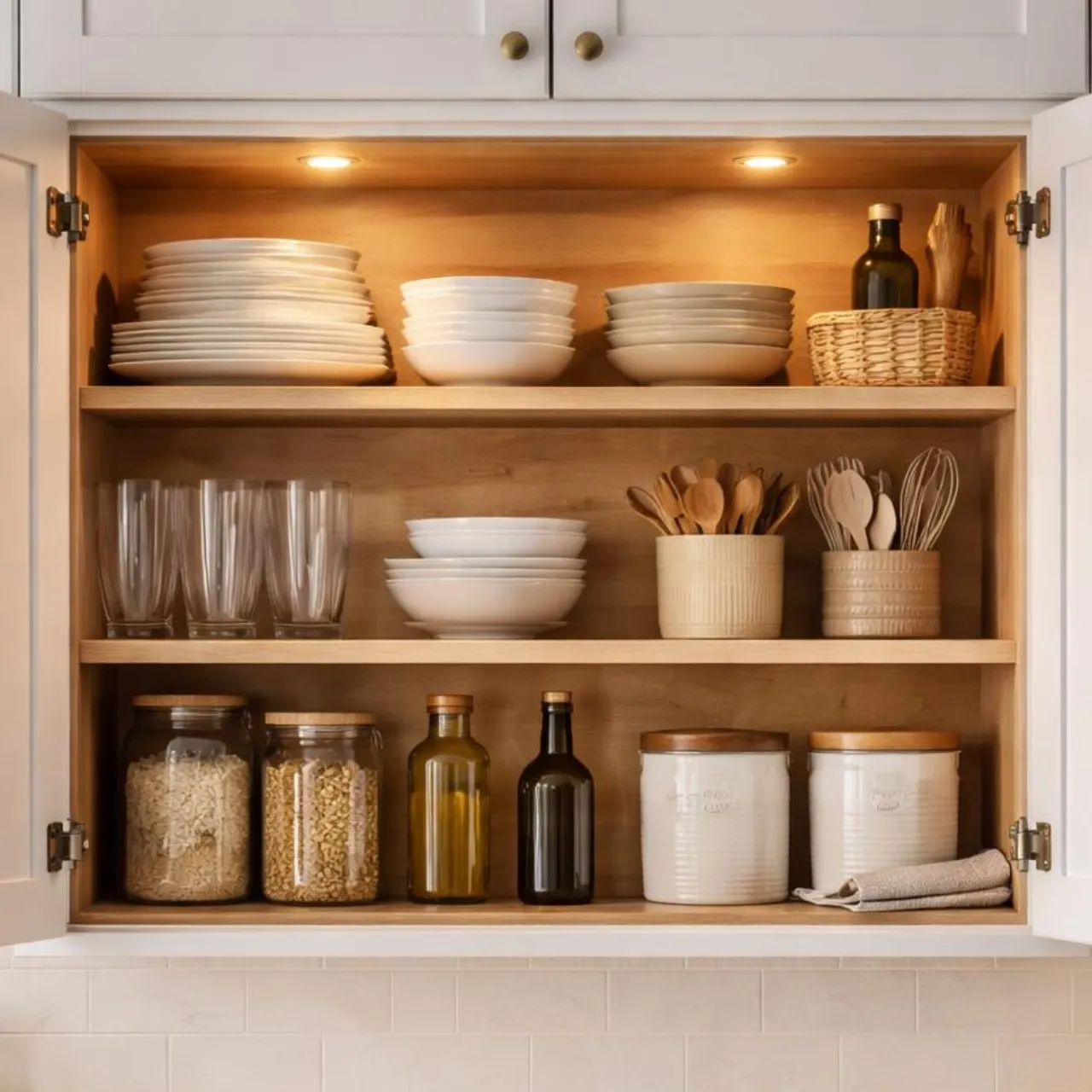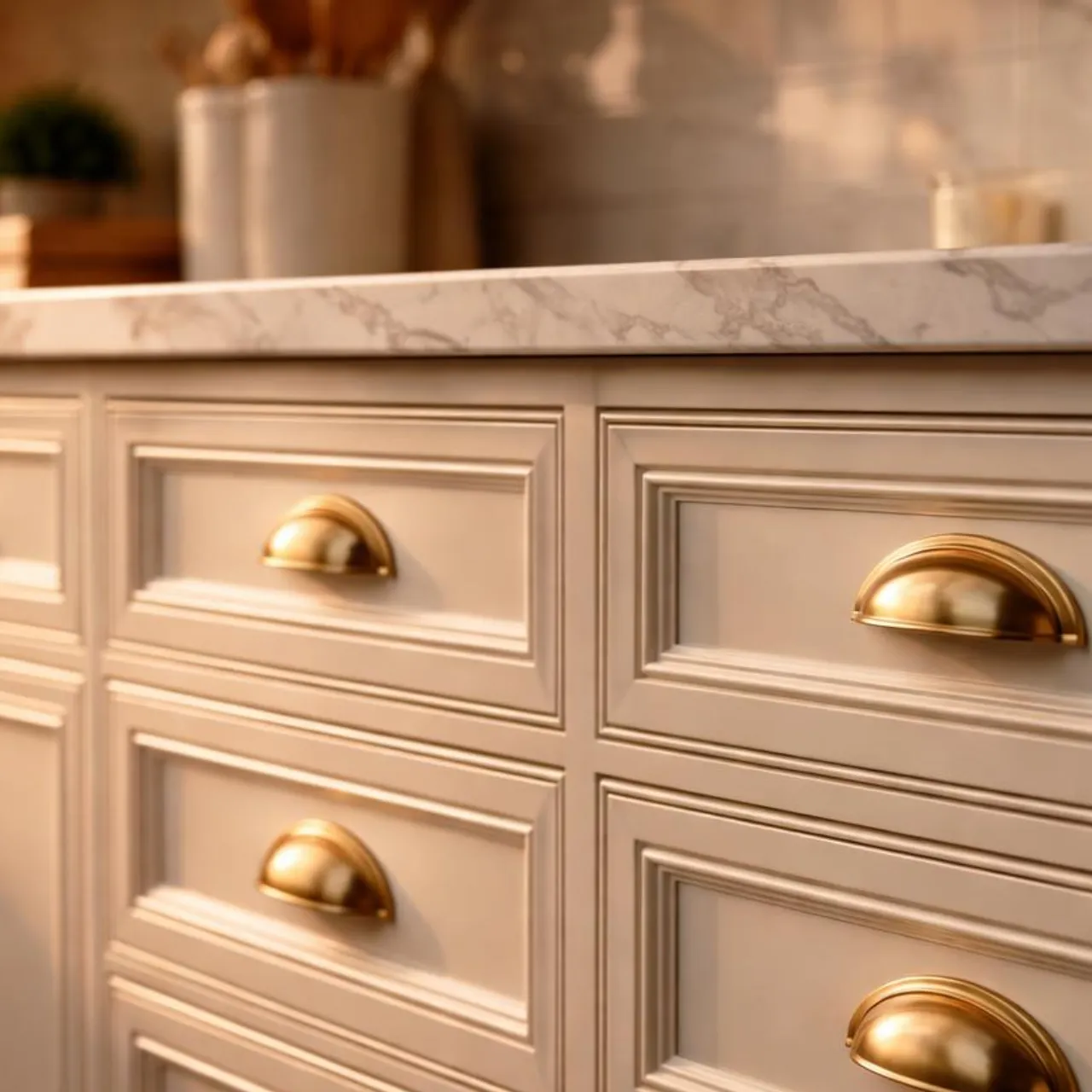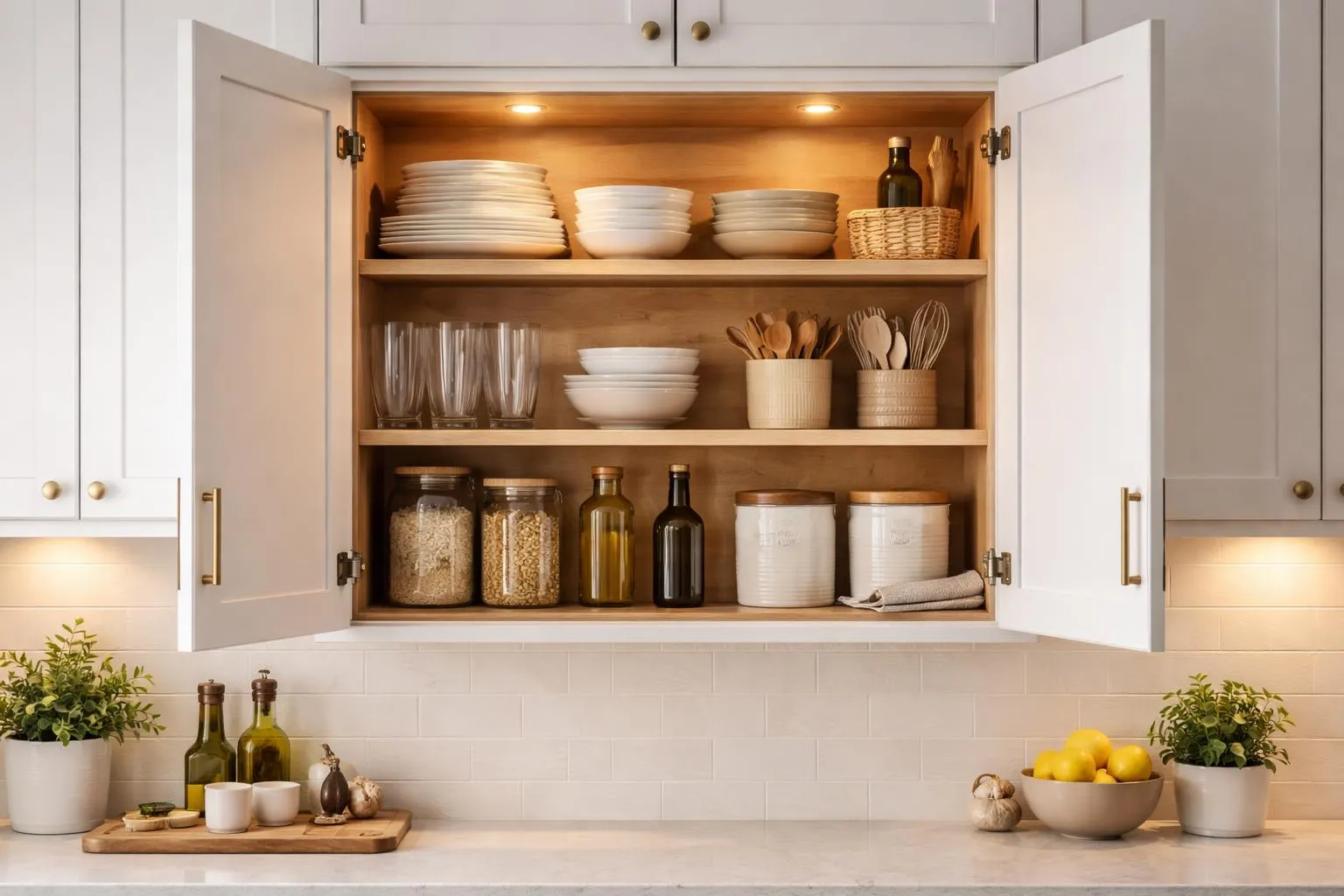
Cabinets take up a lot of visual space, a lot of budget, and a surprising amount of mental energy during Home Renovation planning. People tend to spend weeks comparing paint colors, Quartz slabs, and Marble samples, then pick a Kitchen Cabinet line after a short showroom visit. I get why that happens. Cabinetry is harder to read at a glance. Two displays can look similar while behaving very differently after a few years of daily use.
That is where buyer guides and industry resources help. The good ones strip away marketing language and focus on things that actually matter, such as how a cabinet is built, whether it has been tested for durability, and what environmental claims can be verified. If you are planning Kitchen Remodeling, a Bathroom Renovation, or even Closet and Storage Solutions for a mudroom or laundry area, those three topics will carry most of the decision.
This article walks through them in plain language: framed versus frameless construction, why durability standards like A161.1 matter, and how to make sense of eco-friendly cabinet certifications without getting buried in labels.
Cabinets are not a decorative afterthought. They set the function of the room. They decide how drawers open, how much you can store, how easy it is to clean around hinges, and whether your Vanity or pantry still feels solid after years of use.
A lot of buyers start with appearance, which is normal. You notice door style, finish, hardware, and how the cabinet works with the Countertop. You picture a clean slab door under a Quartz surface, or a more traditional painted cabinet next to Marble tile. That visual layer matters. But it is only one layer.
The less glamorous questions usually have the biggest effect on satisfaction later:
How is the cabinet box constructed?
How much usable storage space is there?
Has the cabinet been tested for repeated use?
Are the sustainability claims specific and documented, or just pleasant sounding?
A detail-oriented approach saves money, time, and frustration. It also helps you separate Luxury Design from simple styling. A room can look expensive and still be built poorly. It can also deliver Affordable Quality if the bones are good and the choices are thoughtful.
This is one of the first structural choices to understand, because it affects storage, appearance, and installation.
Framed cabinets have a face frame attached to the front of the cabinet box. When you open the door, that frame is visible around the opening. This style has long been common in North America and tends to feel familiar in more traditional kitchens, though it can work in contemporary spaces too.
The face frame adds rigidity. It also affects door and drawer access because the opening is partially bordered by that frame. That does not mean framed cabinets are bad for storage. Plenty of well-designed framed cabinets work beautifully. It just means the opening itself is somewhat more restricted than in a frameless box.
Frameless cabinets do not use that front face frame. Doors and drawer fronts attach directly to the cabinet box. People often call this full-access construction because you can use more of the opening.
Visually, frameless Cabinetry usually reads cleaner and more modern, with tighter lines and a more streamlined look. In practical terms, it can offer slightly easier access to the interior, especially for wide drawers and pull-outs.
If you are planning a Custom Kitchen Cabinet layout, framed versus frameless is not just a style debate. It affects daily use.
Framed cabinets may appeal if you want a more classic look, if you like the visual depth around openings, or if your design leans traditional. Frameless cabinets often make sense when you want flat planes, strong horizontal lines, and maximized access.
In a small kitchen, the storage conversation matters. A little extra accessibility can go a long way when every inch counts. In a Bathroom Renovation, the same logic applies to a Vanity with drawers for hair tools, toiletries, and cleaning supplies. In Closet and Storage Solutions, frameless systems are often favored for their efficient use of interior space, though framed built-ins can suit a more furniture-like design.
Frameless cabinets usually require careful installation because the clean reveals leave less room for visual error. If one box is out of alignment, you may notice faster. Framed cabinets can sometimes be a bit more forgiving in how they visually read once installed.
That said, craftsmanship matters more than the category alone. A poorly made frameless cabinet is still poorly made. A well-made framed cabinet can be a pleasure to use for years.
Ask yourself two questions.
First, what look do you actually want to live with every day? Clean and minimal, or more classic and architectural?
Second, how much do access and interior efficiency matter in this room? If deep drawers, pull-outs, and wide openings are high priorities, frameless deserves a close look.
This is one area where showrooms help, but only if you open everything. Do not just stand back and admire the finish. Use the drawers. Reach into corner storage. Pretend you are putting away heavy cookware or bathroom supplies.
Cabinet durability rarely gets the same attention as finishes or hardware. That is a mistake.
A cabinet can look excellent on installation day and still disappoint if the doors sag, drawers loosen, shelves bow, or finishes break down under normal household use. When that happens, the cost is not only financial. It is disruptive. Repairs inside an active kitchen or bath are a headache.
This is why durability standards matter.
A161.1 is a cabinet performance standard used to evaluate durability through consistent testing. The point is not to create a fancy badge for the brochure. The point is to see whether a cabinet can hold up under repeated use and expected loads.
Testing tied to this kind of standard can include how cabinets, drawers, doors, and finishes perform under stress and repetition. Buyers do not need to memorize every test method to benefit from it. What matters is that the cabinet is being judged against a recognized benchmark instead of vague claims like “built to last.”
ROI sounds like a finance phrase, but in Home Renovation it often comes down to something simple: how long will this perform well before I need to repair or replace it?
Durable cabinets can lower project risk in several ways.
First, they reduce the chance of early failure. That matters in a busy family kitchen, a guest bath that gets hard use, or a rental property where wear tends to show up faster.
Second, they help protect connected investments. If you are spending on a quality Countertop, tile, plumbing fixtures, and labor, weak cabinets become the unstable base under otherwise solid choices. A beautiful Quartz top does not fix drawer hardware that struggles after a year.
Third, certification can make product comparison more honest. When two cabinet lines look similar, a durability standard gives you a better basis for judgment than finish samples alone.
You do not need to sound like an engineer. A few direct questions can tell you a lot.
Ask whether the cabinet line is tested to a recognized durability standard such as A161.1. Ask what parts of the cabinet were evaluated. Ask what warranty is offered and, just as important, what the warranty excludes.
Then pay attention to how the answer is given. Clear, specific answers are reassuring. Evasive answers usually are not.
Sustainability is a legitimate concern in Kitchen Remodeling and Bathroom Renovation, but this part of the market is full of fuzzy language. “Green,” “eco-conscious,” and “responsibly made” sound nice. They do not tell you much on their own.
A better approach is to break the topic into pieces.
Start with what the cabinet is made from. Solid wood, plywood, particleboard, MDF, recycled content, and rapidly renewable materials all carry different environmental tradeoffs. There is no single perfect material in every case.
Solid wood sounds ideal to many buyers, but responsible sourcing matters. Engineered wood products may use forest resources efficiently, but you will want to understand emissions and binders. Context matters more than slogans.
Cabinet finishes, adhesives, and composite materials can affect indoor air quality. That is especially relevant in kitchens and baths where ventilation varies. Some certification programs focus heavily on low-emission materials. That can matter as much as the wood source, sometimes more, depending on your priorities.
This is where wood chain-of-custody certifications come in. They are meant to verify that wood has been tracked through the supply chain according to set rules. For buyers who care about forest management and traceability, this is more meaningful than a vague promise about “natural materials.”
Some environmental programs look past the product itself and review manufacturing practices, waste management, resource use, and broader environmental policies. That gives a wider picture, though it can also make comparison harder if one label is product-focused and another is company-focused.
Here is the honest part: environmental certifications do not all measure the same thing. That is why comparison charts and infographics are so useful.
One program may focus on material sourcing. Another may look at emissions. Another may assess manufacturing practices or product category requirements. A cabinet can perform well under one system and not speak much to another. That does not automatically mean anyone is being deceptive. It means the certifications answer different questions.
When you compare programs, look for these distinctions:
Does the certification apply to the specific cabinet product, the manufacturing company, or both?
Is it checking indoor air quality, resource sourcing, recycled content, chemical content, or operational practices?
Is there third-party verification?
Can the seller explain what the certification actually covers?
That last question matters more than people think. A label is only useful if someone can translate it into a practical buying decision.
For example, if your biggest concern is low-emission materials in a tightly sealed home, you may prioritize one kind of certification. If your main concern is responsible wood sourcing, a chain-of-custody program may matter more. If you want the broadest environmental picture possible, you may look for a cabinet line that carries more than one relevant credential.
A good resource hub can save you time, but only if you use it with a plan. Otherwise you end up opening twelve tabs and remembering none of them.
Here is a practical way to work through cabinet research.
Start with construction. Decide whether framed or frameless Cabinetry better suits your room, your storage habits, and your visual preference.
Move to performance. Check whether the cabinet line has been tested to a recognized durability standard such as A161.1.
Review sustainability claims. Look for named certifications, specific sourcing information, and clear explanations of environmental attributes.
Verify fit with the full room. Your Kitchen Cabinet choice should work with the Countertop material, appliance layout, lighting, and storage plan. The same goes for a Vanity in a bath.
Use traceability and manufacturer tools when available. Company search tools and certification directories can help confirm who made the product and whether claims are current.
Compare written specs, not just display samples. Door style is easy to compare. Box construction, drawer joinery, shelf thickness, finish system, and certification details take a bit more effort, but that is where the real differences live.
This process works whether you are buying a single bath Vanity, planning a full Custom Kitchen Cabinet package, or sorting through storage systems for a utility room.
I have mixed feelings about the word luxury in remodeling. Sometimes it means excellent materials and careful construction. Other times it just means a fashionable finish and a dramatic showroom setup.
For buyers, the safer definition is this: luxury is performance plus design, not design alone.
A cabinet that feels substantial, functions smoothly, uses space well, and holds up under normal use is doing real work. If it also fits your style, great. That is the sweet spot. And if you can get there with Affordable Quality rather than paying for branding theater, even better.
The flashiest display is not always the best cabinet. The most sustainable marketing story is not always the most transparent. The prettiest slab of Marble does not rescue weak storage planning. Good decisions come from reading past the surface.
Cabinet buying gets easier once you stop treating all cabinets as mostly the same. They are not. Construction changes access and appearance. Durability standards reduce guesswork and project risk. Environmental certifications help sort real sustainability efforts from vague claims.
If you are in the middle of Kitchen Remodeling, Bathroom Renovation, or a broader Home Renovation, those are the questions worth spending time on. They are less glamorous than finish boards. They are also the questions you are more likely to care about five years later.