
Why a Kitchen Cabinet Industry News Hub Matters More Than It First Appears

Learn why a kitchen cabinet industry news hub matters, from standards to advocacy. Discover what it reveals about cabinetry quality and trust.
At first glance, a “News & Insights” page for a kitchen cabinet industry association can look underwhelming. You expect headlines, market reports, maybe a few product updates. Instead, the visible content may be sparse: a mission statement, a handful of member resources, and footer links.
Still, that kind of page tells you a lot.
When an association chooses to foreground standards, advocacy, and business support, it is making a quiet but important point about what holds the cabinet industry together. Kitchen cabinets are not just decorative boxes on a wall. They sit at the intersection of manufacturing, design, building codes, material performance, logistics, and consumer expectations. That is true whether someone is planning a Home Renovation, a full Kitchen Remodeling project, a Bathroom Renovation, or even built-in Closet and Storage Solutions.
So even when a page does not show individual articles, it can still reveal the priorities of the industry behind it. And those priorities matter to manufacturers, designers, contractors, dealers, and homeowners alike.
A sparse page can still be informative
The captured page content is limited, but the core message is clear. The association positions itself around three responsibilities:
establishing and promoting standards for the kitchen cabinet industry
defending and advocating for the industry
giving members tools to grow their businesses
That is not fluff. It is a practical statement of purpose.
Trade associations often work behind the scenes. They are less visible than showrooms, design magazines, or social media renovation accounts, but they often influence the rules that shape what ends up in your kitchen. If you have ever compared one Kitchen Cabinet line to another and wondered why some products feel more durable, more consistent, or better documented, standards and certification usually have something to do with it.
I think this is where people sometimes misread the cabinet industry. They assume the big story is style, color, or Luxury Design trends. Those things matter, obviously. But underneath the visible layer, there is a less glamorous system of specifications, testing, labeling, and compliance. That system is what makes Cabinetry dependable rather than just attractive.
Why standards are such a big deal in cabinetry
Cabinet standards sound dry until you live with a bad cabinet.
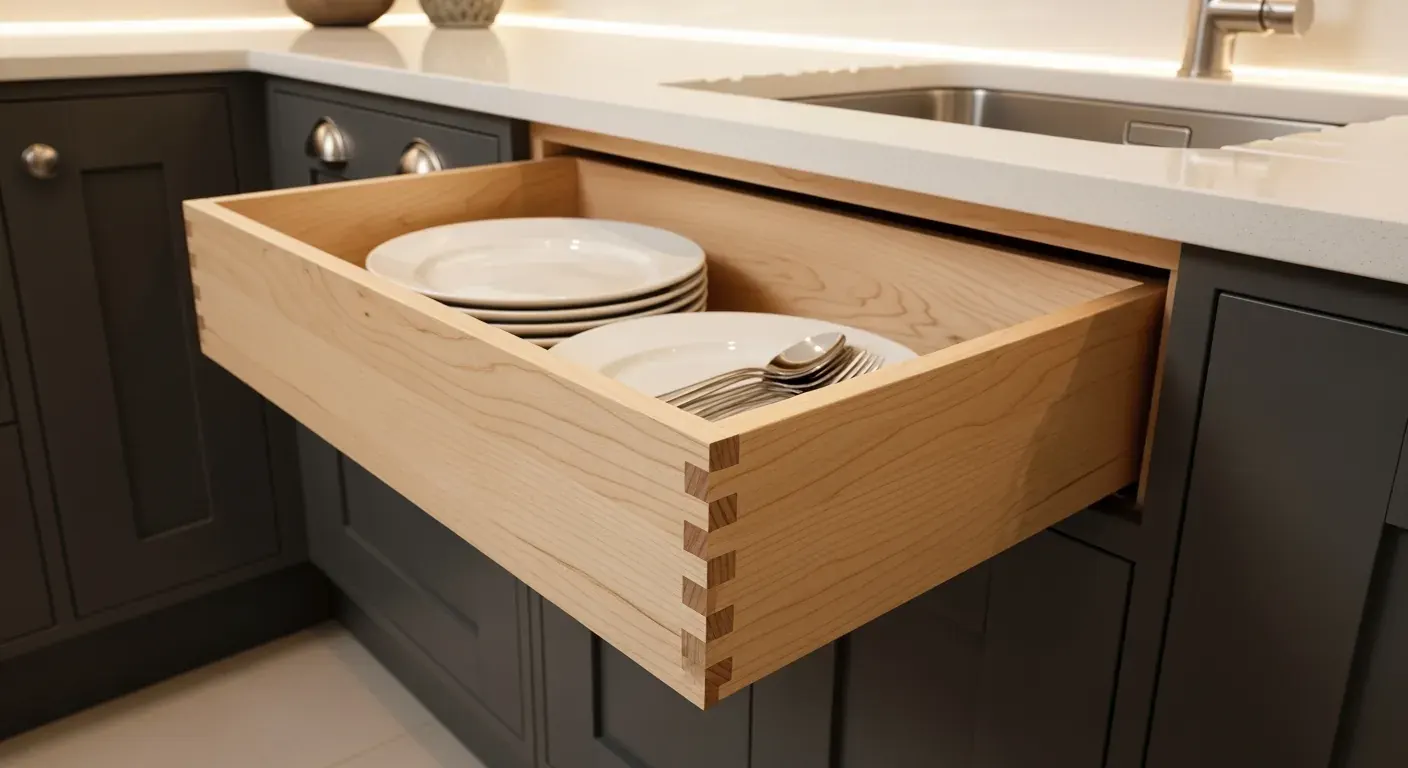
A drawer that racks under weight. A finish that chips too easily. Doors that warp near a dishwasher. Shelving that sags long before it should. These are not small annoyances when you have spent serious money on a kitchen or bath.
That is why standards matter. In the cabinet world, they help create a shared baseline for quality, safety, and performance. Depending on the program or certification involved, standards can touch things like material construction, joint strength, finish durability, load testing, drawer performance, and moisture resistance.
For professionals, standards make specification easier. If you are designing a Custom Kitchen Cabinet installation or coordinating Kitchen Cabinetry with a stone Countertop, you need to know how the cabinet boxes, hardware, and finishes will perform. Heavy materials like Quartz and Marble add real demands to a project. Even when the countertop load is ultimately managed by the cabinet layout, substrate, and installation details, nobody wants surprises once slabs arrive.
For homeowners, standards offer something simpler: a better chance of getting what they paid for.
That does not mean every certified product is identical, or that non-certified products are automatically poor. Reality is messier than that. Craftsmanship varies. Installation quality varies even more. But standards at least create a measurable reference point. In an industry where product descriptions can blur together, that matters.
Advocacy sounds political, but it is often practical
The second mission point, defending and advocating for the cabinet industry, may sound abstract if you are not in manufacturing or trade policy. In practice, it usually comes down to very concrete issues.
Think about the forces that can affect a cabinet maker or supplier:
material regulations
labor shortages
shipping costs
environmental compliance
construction demand
housing policy
trade rules on imported components
safety requirements
chemical and emissions standards
None of that is especially glamorous. All of it affects what products cost, how long they take to arrive, and what documentation comes with them.
This is one reason industry news hubs tend to be more useful for professionals than casual readers. They track the stuff that actually changes operations. A new compliance requirement can affect finishing processes. A shift in trade rules can change sourcing. An update to certification expectations can alter product testing. If you work in Kitchen Remodeling or supply Cabinetry to dealers and installers, those are not side notes. They are the job.
Even consumers feel the impact, though often indirectly. Delays, substitutions, discontinued door styles, price swings, and changed lead times usually begin upstream. By the time a homeowner hears about it, the issue has already worked its way through the supply chain.
Member tools tell you who the page is really for
The footer links are revealing. They point to membership applications, certification information, company code search, member login, and contact options. That mix tells you the site is built mainly for industry participants and stakeholders, not for people casually browsing backsplash ideas.
That distinction is useful.
A consumer-facing cabinet website usually leads with finishes, door profiles, inspiration galleries, and room photography. An industry-facing site leads with systems: joining, certification, identification, access, and policy.
The “who made my cabinets” company code search is especially interesting because it points to traceability. In many industries, traceability has become more important, not less. People want to know who manufactured a product, whether it meets a known standard, and how to connect a label or code to an actual company. In cabinet work, that can matter for warranty questions, specification verification, replacement parts, and project documentation.
Certification information also belongs in that same practical bucket. If an association puts certification in the footer alongside member access and contact tools, it is signaling that certification is part of the operating framework of the industry, not a decorative extra.
What a missing article list actually tells you
The visible snapshot does not include article listings, press releases, or technical posts. That means we should be careful not to imagine content that is not there.
Still, there are two reasonable takeaways.
First, the page likely functions as a landing hub rather than a self-contained article archive. Many trade sites use these pages as gateways to deeper content feeds, member-only materials, event notices, policy updates, and certification resources.
Second, the lack of visible article-level content is a reminder to separate page purpose from page completeness. If you are researching the cabinet industry, one screenshot is not enough to map the whole editorial output. You can identify the association’s priorities from the page structure, but you cannot infer specific news trends without seeing the actual feed.
That may sound obvious, but people skip this step all the time. They see a title like “News & Insights” and assume the whole story is on the page. Sometimes it is. Sometimes it is just the doorway.
How this connects to real renovation work
Even though the page appears industry-focused, the ideas behind it show up in everyday projects.
Take a kitchen renovation. A homeowner may focus on door style, paint color, hardware finish, and whether they want Quartz or Marble for the countertop. Fair enough. Those are visible decisions. But the long-term success of the room often depends on less visible choices:
How well are the cabinet boxes built?
What are the drawer runners rated for?
How durable is the finish near moisture and heat?
Can the cabinet line support the appliance layout?
What documentation exists if something goes wrong later?
The same logic applies to a Bathroom Renovation. A Vanity is usually smaller than a full kitchen run, but bathrooms bring humidity, cleaning chemicals, splash zones, and tight tolerances around plumbing. A nice-looking vanity with poor finish quality can age badly in a hurry.
Closet and Storage Solutions are another good example. People tend to think of closets as simpler than kitchens, and sometimes they are. But shelving loads, hanging hardware, edge quality, panel stability, and installation precision still matter. Standards-oriented thinking helps there too, even when the room is less technical than a cooking space.
In other words, the association’s mission points may sound industry-specific, yet they connect directly to lived outcomes in the home.
The tension between luxury and value is real
One of the hardest parts of buying Cabinetry is sorting out where price reflects actual quality and where it mostly reflects styling, branding, or customization.
That is why I tend to care more about standards and documentation than about marketing language. Terms like Luxury Design and Affordable Quality can both be meaningful, but they can also be slippery. A cabinet line may look high-end in photos and still fall short on construction details. Another line may be more restrained visually and perform better over time.
This does not mean aesthetics do not matter. Of course they do. People live with cabinets every day. But good design without good build quality gets frustrating fast.
A better way to think about value is to ask what you are actually buying:
tested performance or just appearance
documented construction details or vague claims
traceable manufacturing or a hard-to-identify source
suitable materials for the room’s conditions or something that merely photographs well
That framework helps whether you are choosing a stock line, semi-custom products, or a full Custom Kitchen Cabinet solution.
What professionals and homeowners should watch for
If you use an industry association site as part of your research, it helps to know what questions to carry into the next step. Here is a practical short list:
Is the cabinet line certified or tested under a recognized program?
Can the manufacturer be clearly identified through a code, label, or documentation trail?
What are the cabinet box, drawer, and finish specifications?
Are the products appropriate for the room, especially in wet or high-use areas?
How will installation details interact with appliances, countertops, and wall conditions?
These questions matter more than trend language. They matter more than showroom lighting, too.
Why industry hubs are useful, but not sufficient on their own
Trade association pages are strong sources for organizational priorities, certification pathways, standards discussion, and member-facing resources. They are less useful when you need product-by-product comparison, design inspiration, or hands-on installation advice for a specific room.
That is not a flaw. It is just a matter of function.
If you are a homeowner planning Kitchen Remodeling, use this kind of site to understand the framework of the industry. Learn what certification means. Learn why manufacturer identification matters. Learn what kinds of issues the industry considers important enough to track collectively.
Then go beyond it. Read manufacturer specifications. Ask your contractor detailed questions. See samples in person. Compare materials. If your project includes stone surfaces, ask how the Cabinetry package is coordinated with the Countertop plan. If your bathroom includes a floating Vanity, ask about support and moisture exposure. If you are ordering closet systems, ask what load assumptions the design is based on.
A good decision usually comes from combining structural information with room-specific detail.
The quiet message behind “stay connected, stay informed”
That footer line is simple, but I like it because it is honest. Industries change through a stream of small updates, not one dramatic headline. Standards get revised. Certification programs evolve. Supply conditions shift. Product categories expand. Consumer expectations move, often faster than manufacturers would prefer.
A kitchen cabinet industry news hub exists to track that motion.
Even when the visible page does not show the articles themselves, the structure tells you what the organization thinks is worth paying attention to: standards, advocacy, certification, traceability, and member access. For people working in the trade, that is daily reality. For homeowners, it is the hidden layer that shapes whether a renovation feels solid ten years later or starts bothering you after one.
That is the part of Cabinetry people rarely post on social media. It is also the part that decides whether the pretty room keeps working.