Directories are easy to ignore. They can look like dry trade pages, full of logos, short descriptions, and links you promise yourself you’ll click later. But if you read one closely, it tells a much bigger story.
A cabinet industry associate directory does not just list companies. It maps the supply chain behind modern cabinetry. On one page, you can see machinery firms, panel suppliers, coatings specialists, fastener companies, abrasives manufacturers, finish-selection tools, packaging producers, and niche product makers. That mix matters. It shows that a finished kitchen cabinet or vanity is never the result of one decision or one material. It is the outcome of many linked systems working well, or not working well.
For anyone involved in home renovation, kitchen remodeling, bathroom renovation, or closet and storage solutions, this is useful knowledge. Even if you never walk through a factory, knowing who does what helps you ask sharper questions about quality, lead times, finish durability, customization, and cost. And if you work inside the industry, a directory like this is a quick reminder that cabinet manufacturing is really a coordination business.
In trade groups, associate members are often the companies that support manufacturers rather than making the final cabinet product themselves. Think equipment suppliers, material distributors, coating companies, software providers, and component specialists.
That distinction matters because the cabinet industry depends on both sides. The manufacturer assembles the final product, but the manufacturer’s results are shaped by the reliability of its suppliers. A shop cannot produce consistent cabinetry with unstable coatings, poor panel material, weak adhesive performance, or bad sanding systems. Even packaging matters if finished parts arrive damaged.
The directory page described here is organized in a straightforward way: image, company title, a short one-sentence description, and links to deeper profile pages. There is pagination for more entries on later pages. On the surface, it is simple. Underneath, it gives you a snapshot of what cabinet production actually requires.
One of the clearest lessons from this group of associate spotlights is that cabinet production is broad. Much broader than many homeowners expect.
Companies like IMA Schelling Group and Black Bros. Co. sit in the machinery category, but they are not doing the same job.
IMA Schelling Group is described as a single-source partner for advanced machinery, service, and support across wood, plastics, and non-ferrous metals. In practical terms, that points to production equipment and the ongoing technical help needed to keep it running. For a cabinet maker, service support is not a minor add-on. Downtime is expensive, and a machine that works beautifully on paper but is hard to maintain can become a real headache.
Black Bros. Co. focuses on laminating and roll coating machinery. That matters for manufacturers working with decorative surfaces, bonded materials, or coated components. If you are looking at a custom kitchen cabinet with a laminated finish, or even certain closet and storage solutions that use engineered panels, equipment like this affects how smooth and durable that surface will be.
Then there is Superfici America, which emphasizes tailored surface solutions rather than one standard product. I like that framing because cabinet finishing is rarely one-size-fits-all. A shop making painted bathroom vanity fronts has different needs than one producing textured slab doors for a luxury design project.
Hot Melt Technologies fits into this machinery-and-process group too. Its note about systems that can be modified after purchase is more important than it sounds. Production needs change. Shops add product lines, update materials, or respond to labor constraints. Flexible adhesive application systems can make those changes easier and cheaper.
CANUSA WOOD is listed as an importer and distributor of hardwood plywood, MDF, and specialty panel products across North America. That one line tells you a lot. Before a cabinet is cut, edge-banded, painted, or installed under a quartz or marble countertop, it starts as substrate. The quality of that substrate affects stability, machinability, finish performance, and price.
If you have ever wondered why two kitchen cabinet projects can look similar at first glance but age differently, panel quality is one place to start. MDF, plywood, and specialty panels all behave differently. Moisture resistance, core consistency, screw-holding power, edge quality, and finishing response vary by product. Good material decisions do not guarantee a good cabinet, but poor ones are hard to hide.
Savage Sales adds another layer with representation and distribution of paper, thermofoil, and PVC materials used in the kitchen cabinet industry. These surface materials are common in many affordable quality product lines and in some highly specific design applications as well. They can help manufacturers achieve consistent looks, easier maintenance, or lower production costs, depending on the material and process.
Deerwood Fasteners supplies fasteners to the woodworking industry. Fasteners rarely get attention outside the shop floor, but they affect structural integrity, installation efficiency, and long-term durability. A poorly chosen fastener can split material, loosen over time, or slow down production. A well-matched fastener system helps parts go together cleanly and stay together.
KLINGSPOR Abrasives is another good example of an overlooked category. Its profile mentions a U.S. corporate office in Hickory, North Carolina, and that many products are manufactured in-house in the U.S. That detail is more informative than generic praise. In-house manufacturing often means closer oversight over production, quality control, and shipping. For cabinet makers, abrasives affect surface prep, and surface prep affects everything that follows. Paint, stain, and clear coat do not hide poor sanding. Usually they expose it.
Canlak Coatings focuses on industrial wood coatings tailored for cabinet manufacturers. This is one of the most important categories on the page because finish quality is where many projects are judged. Homeowners notice color, sheen, feel, and resistance to wear. Manufacturers worry about cure time, spray behavior, adhesion, consistency, and repairability. Those concerns meet in the coating system.
A cabinet finish that looks great in a sample but performs badly in production is a problem. So is a finish that works in the plant but is difficult to match later if a replacement door is needed. That is why tailored coatings matter. Cabinetry is not the same as general millwork, and coating systems need to reflect that.
FinishMatch has a different role. It aims to simplify the cabinet finish selection process for manufacturers, dealers, and customers. That sounds less industrial than machinery or coatings, but it solves a very real problem.
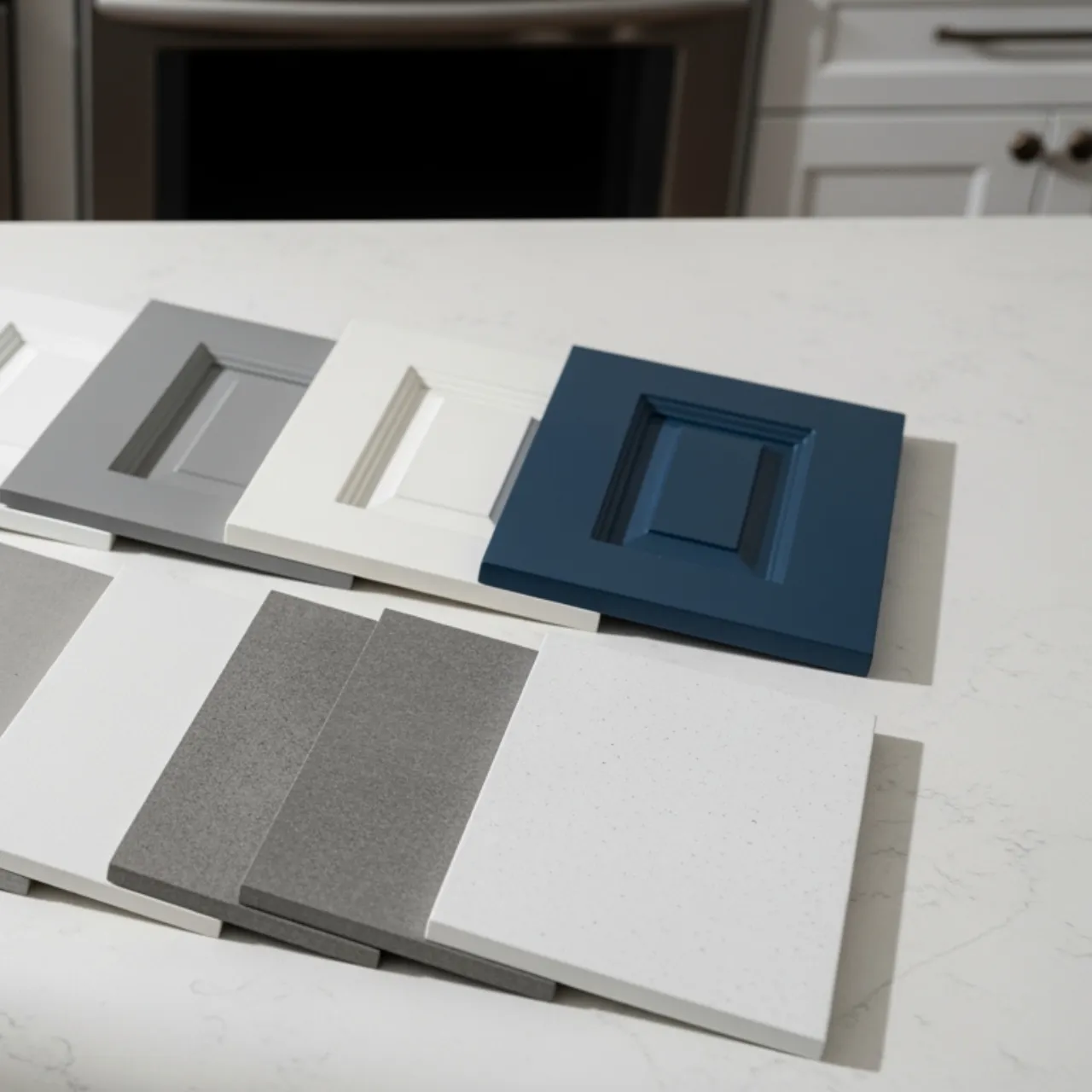
Finish confusion causes delays. It also causes disappointment. In kitchen remodeling and bathroom renovation, clients compare paint chips, door styles, countertop samples, hardware finishes, quartz, marble, flooring, and lighting. Without a clear finish-selection process, mistakes creep in fast. A tool that helps standardize and communicate finish choices can save time and prevent expensive remakes.
Western Pulp Products has been making molded pulp products since 1958 and specializes in solutions other molded fiber companies may find difficult. That tells you the company is in packaging or product protection, and that matters more than many people think. Cabinet doors, panels, and finished components can be damaged during storage and shipping. Good protective packaging preserves the quality the factory worked hard to achieve.
Stanisci Design and Manufacturing LLC is a bit different from the other entries because it makes a finished product category: American-made premium wood range hoods. Including a company like this in the same directory shows how broad the kitchen environment really is. Cabinet projects often interact with specialty items beyond basic boxes and doors. A well-integrated range hood can change the look of a full custom kitchen cabinet plan, especially in higher-end kitchens where ventilation design is part of the visual composition.
If you are a homeowner, designer, or contractor, you might be thinking: interesting, but why should I care who supplies abrasives or adhesive systems?
Because supplier choices show up in the finished project.
They show up when a painted bathroom vanity has a smooth, even finish instead of visible fiber raise and telegraphed seams. They show up when thermofoil doors stay bonded under normal use. They show up when replacement parts can be matched without guesswork. They show up when a cabinet line can handle customization for a tricky laundry room, a narrow pantry, or closet and storage solutions with odd dimensions. They show up in lead times too, especially when material sourcing is tight.
A lot of discussions around luxury design and affordable quality get fuzzy. People talk about “better cabinets” as if quality were one single thing. It isn’t. Quality is usually a chain. Material selection, machining precision, adhesive performance, surface prep, coating quality, packaging, and documentation all contribute. A weak link anywhere in that chain becomes the defect you eventually notice.
Short company blurbs often contain a mix of facts and sales language. The trick is separating them.
When you read an entry, look for the concrete signals:
What category is the company actually in? Machinery, coatings, panels, software, packaging, or specialty products?
What materials or processes does it mention? Wood, MDF, hardwood plywood, thermofoil, PVC, laminating, roll coating, hot melt systems.
Is there a clue about customization? Tailored surface solutions and modified systems usually mean process flexibility.
Is geography mentioned? North American distribution or U.S. manufacturing may affect logistics and support.
Is support part of the offer? Service and support can be just as important as the machine or material itself.
This is where neutral reading helps. Words like “leading,” “trusted,” or “premier” tell you almost nothing. A statement like “many products manufactured in-house for oversight of production, quality control, and shipping” tells you something useful.
A simple way to understand this directory is to imagine one cabinet door moving through production.
It may start with panel material from a distributor like CANUSA WOOD. If the design calls for a laminate or film surface, related materials from a company like Savage Sales may enter the picture. The panel is then processed using production equipment, potentially from a machinery supplier such as IMA Schelling Group. If lamination or roll coating is involved, Black Bros. Co. equipment may fit that step.
Bonding processes may rely on hot melt application systems such as those associated with Hot Melt Technologies. Surface prep then depends on abrasives, the sort of category represented by KLINGSPOR. After sanding, the part moves into finishing, where a coatings supplier like Canlak Coatings becomes relevant. If the manufacturer uses a structured finish-selection workflow, a tool like FinishMatch helps make sure the selected finish is clearly defined and consistently communicated.
After production, fasteners from a supplier like Deerwood Fasteners may come into play during assembly or installation. Finally, protective molded pulp packaging, the kind associated with Western Pulp Products, helps the part survive transport.
That is one door. One part. And even that simple example touches multiple specialties. So when a manufacturer says it pays attention to process, this is what that should mean.
The footer information matters too, even though people often skip it. The organization’s mission is summarized around promoting standards, advocating for the industry, and giving members tools to grow. There are also references to certification, membership applications, company code search, and contact resources.
I think this is one of the more useful signals on a page like this. Supplier directories are not just networking tools. They sit inside a larger system of standards, identification, and professional accountability. For buyers and specifiers, that means there may be ways to verify products, understand codes, or distinguish between certified and non-certified sources. For manufacturers, it points to shared expectations around quality and business practice.
A company directory by itself does not guarantee performance. Of course not. But it does show who is participating in the professional ecosystem around cabinet production.
If you are planning kitchen remodeling, a bathroom renovation, or any project involving cabinetry, the practical takeaway is simple: ask better process questions.
Ask what material is being used for boxes and doors. Ask how finishes are selected and matched. Ask whether the shop has a system for customized coatings. Ask how replacement parts are handled. Ask what happens if a finish or component is discontinued. Ask how products are protected for delivery. Ask whether specialty elements, such as wood hoods, are integrated into the same design and finish plan.
You do not need to interrogate every supplier behind the scenes. But understanding the categories helps you tell the difference between a vague answer and a competent one.
Directories like this one can seem boring at first glance. I’d argue the opposite. They are one of the fastest ways to see how an industry actually functions. And in cabinetry, that function matters. The look of a kitchen cabinet or vanity gets attention. The network behind it earns the result.